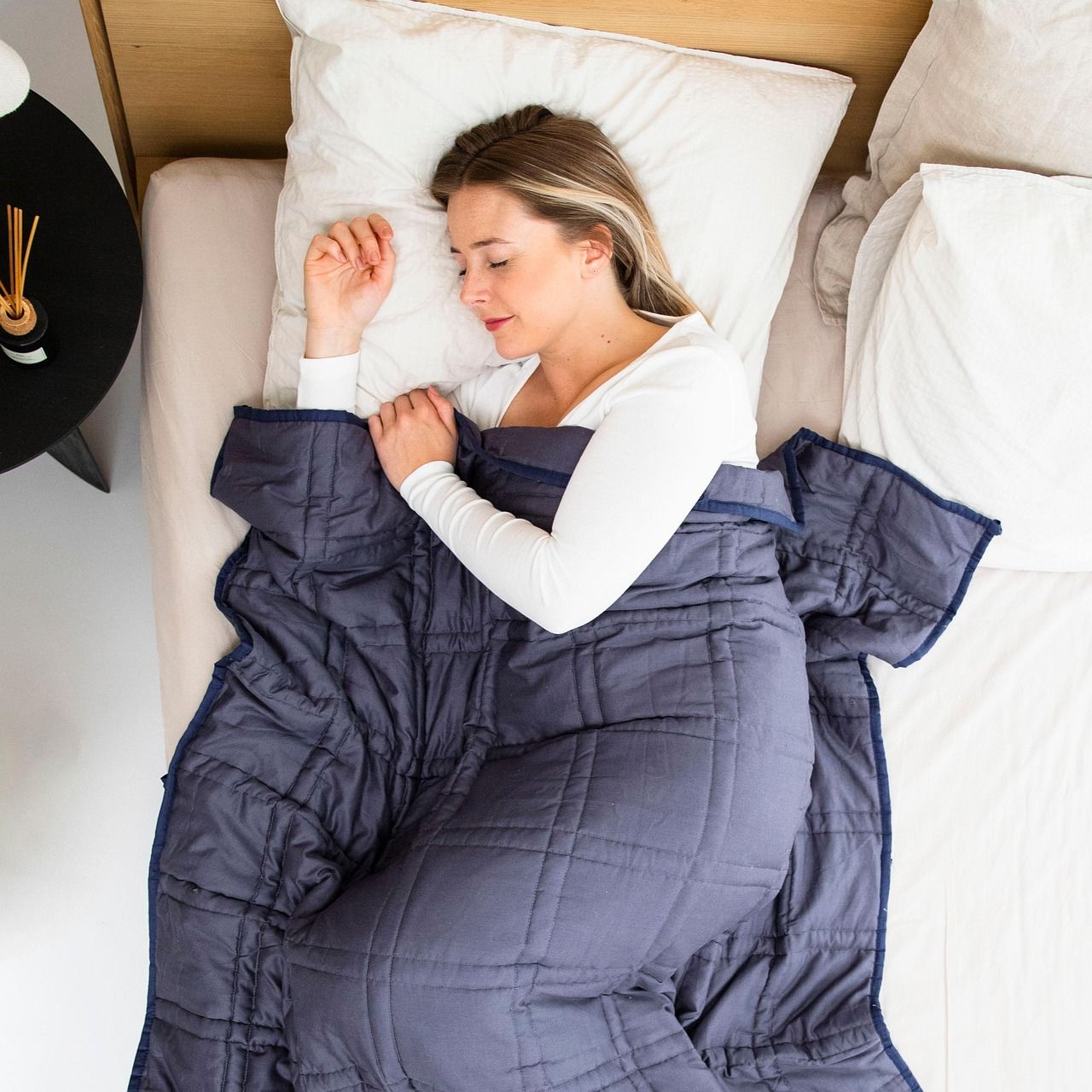
Say Goodbye to Morning Back Pain: Your Ultimate Mattress Guide
Ah, the joy of waking up… only to be greeted by that familiar, nagging back pain. For countless individuals across India, this scenario is a daily reality, turning what should be a refreshing start into a struggle. Whether it’s a dull ache in your lower back, a stiff neck, or radiating pain that makes even simple movements difficult, back pain can severely impact your quality of life, productivity, and overall well-being. From managing household chores to focusing at work or simply enjoying time with loved ones, persistent back discomfort can cast a long shadow.
But what if we told you that the key to waking up pain-free might be lying right beneath you? Your mattress isn’t just a piece of furniture; it’s a crucial component of your spinal health and overall sleep hygiene. A wrong mattress can exacerbate existing back issues or even create new ones, while the right one can provide the support and comfort your spine desperately needs, helping you achieve truly restorative sleep.
Forget the old adage that a super firm mattress is always best for back pain – that’s a common misconception we’ll debunk. Finding the “best” mattress is a highly personal journey, especially when dealing with specific discomforts like back pain. This comprehensive guide is designed specifically for Indian readers, diving deep into the science of sleep, mattress materials, and crucial factors to consider, so you can make an informed decision and invest in a healthier, pain-free tomorrow.
Understanding Back Pain and Its Mattress Connection
Back pain isn’t a one-size-fits-all condition. It can stem from various issues – muscle strain, disc problems, arthritis, or even poor posture during the day. However, a significant contributor to chronic back pain is often a mattress that fails to provide adequate support and alignment for your spine while you sleep.
When you lie down, your spine should maintain its natural “S” curve. A mattress that is too soft will allow your hips to sink too far, causing your spine to arch unnaturally. Conversely, a mattress that is too firm might not contour to your body’s natural curves, leaving gaps and pressure points, especially around your lower back and shoulders. Both scenarios lead to poor spinal alignment, muscle tension, and ultimately, pain.
The goal of a good mattress for back pain is to keep your spine in a neutral alignment, mimicking the posture you’d have if you were standing upright with good posture. This allows your muscles to relax, discs to decompress, and nerves to function optimally, leading to reduced pain and improved sleep quality.
Key Factors to Consider When Choosing a Mattress for Back Pain
Navigating the world of mattresses can be overwhelming. Here are the essential factors to keep in mind, specifically tailored for back pain sufferers:
1. Support vs. Comfort: The Golden Balance
- Support: This refers to the mattress’s ability to keep your spine properly aligned. It prevents sagging and ensures that heavier parts of your body (like hips and shoulders) are adequately lifted, while lighter areas are cradled.
- Comfort: This relates to how well the mattress cushions your body and relieves pressure points. A supportive mattress without adequate comfort can still leave you feeling stiff.
For back pain, you need a mattress that offers both excellent support for spinal alignment and sufficient comfort for pressure relief. It’s about finding that sweet spot where your body feels cradled without sinking too much.
2. Firmness Level: Debunking the “Firmer is Better” Myth
Many believe that a rock-hard mattress is the best solution for back pain. However, research and expert opinions suggest that a medium-firm mattress is often the most beneficial. A mattress that is too firm can create pressure points and doesn’t allow for natural spinal curvature, while one that is too soft offers insufficient support, leading to sagging.
- Medium-Firm: Generally recommended for most back pain sufferers. It offers a good balance of support and contouring.
- Soft: Might be suitable for some side sleepers who need extra pressure relief on hips and shoulders, but often lacks adequate support for the spine.
- Firm: Can be beneficial for stomach sleepers or those with specific orthopedic advice, but often too rigid for others.
Your ideal firmness also depends on your body weight and sleeping position.
3. Material Matters: What’s Inside Your Mattress?
The core material of your mattress significantly impacts its support, comfort, durability, and even temperature regulation – a crucial factor in India’s climate.
-
Memory Foam Mattresses
Known for its excellent contouring and pressure-relieving properties, memory foam moulds to your body’s unique shape. This can be fantastic for isolating motion and distributing body weight evenly, reducing pressure points on your hips, shoulders, and lower back.
- Pros: Exceptional pressure relief, excellent motion isolation, good spinal alignment.
- Cons: Can retain heat (a concern in India’s humid climate, though newer gel-infused or open-cell foams mitigate this), may feel slow to respond, some off-gassing initially.
-
Latex Mattresses
Derived from rubber tree sap (natural latex) or synthetic compounds, latex mattresses offer a buoyant, responsive feel. They contour without the “sinking” feeling of memory foam and are generally more breathable.
- Pros: Durable, responsive, naturally cooling, hypoallergenic, excellent pressure relief and support, good for spinal alignment.
- Cons: Can be heavier and more expensive than other types.
-
Innerspring/Coil Mattresses
These traditional mattresses use a system of coils for support. While older versions often lacked contouring, modern innerspring mattresses, especially those with individually wrapped “pocketed coils,” offer much better support and motion isolation.
- Pros: Good airflow (cooler sleep), firm support, responsive, often more affordable. Pocketed coils offer better targeted support and reduce motion transfer.
- Cons: Can sag over time, traditional coils may cause motion transfer, less pressure relief than foam or latex.
-
Hybrid Mattresses
As the name suggests, hybrids combine the best of both worlds: a coil support system (often pocketed coils) topped with layers of memory foam, latex, or other comfort materials. This combination often provides an ideal balance for back pain sufferers.
- Pros: Excellent support and pressure relief, good breathability, contouring without excessive sinkage, good motion isolation.
- Cons: Can be more expensive and heavier than single-material mattresses.
-
Coir Mattresses (India Specific)
Made from coconut husk fibers, coir mattresses are a traditional and popular choice in India. They are naturally firm and breathable.
- Pros: Very firm, excellent breathability (great for hot climates), natural and eco-friendly, often more budget-friendly.
- Cons: Can be too firm for some, offers less contouring and pressure relief compared to foam or latex, durability might vary. Often combined with foam layers now to enhance comfort.
4. Spinal Alignment: The Ultimate Goal
Regardless of the material, the primary objective is to maintain natural spinal alignment. When lying down, your ears, shoulders, and hips should ideally form a straight line. Look for a mattress that supports the natural curve of your lower back without allowing your hips to sink too much or your back to arch.
5. Pressure Relief
A good mattress will distribute your body weight evenly, reducing pressure on sensitive areas like your shoulders, hips, and lower back. This prevents numbness, tingling, and stiffness, especially for side sleepers.
6. Motion Isolation
If you share your bed, a mattress with good motion isolation prevents you from feeling your partner’s movements. This is a significant factor for undisturbed sleep, which in turn aids in pain management. Memory foam and pocketed coil hybrids excel here.
7. Durability and Longevity
A mattress is a significant investment. Look for quality materials and construction that will last 7-10 years without sagging or losing support. A durable mattress maintains its therapeutic benefits over time.
Finding Your Ideal Mattress Based on Sleeping Position
Your preferred sleeping position plays a critical role in determining the right mattress firmness and type.
Side Sleepers
You need a mattress that cradles your shoulders and hips to prevent pressure points, while still supporting your waist. A medium-soft to medium firmness, often found in memory foam, latex, or hybrid mattresses, works best. This allows your spine to remain straight.
Back Sleepers
You require a mattress that supports the natural curvature of your spine, especially your lumbar region, without creating a gap. A medium-firm mattress, whether latex, hybrid, or quality innerspring, is usually ideal. It should be firm enough to prevent excessive sinking but soft enough to contour slightly.
Stomach Sleepers
This position often puts strain on the lower back and neck. If you must sleep on your stomach, a slightly firmer mattress is needed to prevent your hips from sinking too far, which can over-arch your spine. However, it’s often recommended to try and transition to side or back sleeping if possible to alleviate back pain.
India-Specific Considerations and Shopping Tips
When buying a mattress in India, keep these practical tips in mind:
- Trial Periods are Crucial: Many reputable brands – both online and offline – offer “sleep trials” (e.g., 100 nights). It takes time for your body to adjust to a new mattress, so a trial period is invaluable to ensure it truly alleviates your back pain. Don’t skip this!
- Read Reviews, Especially Local Ones: Look for reviews from fellow Indian customers regarding comfort, heat retention, and durability in India’s varied climate.
- Warranty Matters: A good warranty (typically 7-10 years) indicates the manufacturer’s confidence in their product’s longevity and support retention. Understand what the warranty covers (e.g., sagging depth).
- Budget Wisely: Mattresses come in a wide price range. While you don’t need to break the bank, view a good mattress as an investment in your health. There are excellent quality options available across various price points in India, from popular online direct-to-consumer brands to established players.
- Online vs. Offline: Online retailers often offer competitive pricing and longer trial periods. However, visiting a showroom allows you to physically test different mattresses. If buying online, rely heavily on detailed descriptions, customer reviews, and the trial period policy.
- Consider India’s Climate: With varying levels of heat and humidity across India, breathability is key. Latex, open-cell memory foam, pocketed coils, and coir-foam combinations can offer better temperature regulation.
Beyond the Mattress: A Holistic Approach to Back Pain Relief
While a good mattress is fundamental, it’s part of a larger picture when managing back pain:
- Pillow Choice: Ensure your pillow supports your neck’s natural curve, keeping it aligned with your spine.
- Sleeping Posture: Even on the best mattress, poor posture can negate its benefits. Try placing a pillow between your knees if you’re a side sleeper, or under your knees if you’re a back sleeper, to further enhance spinal alignment.
- Regular Movement and Exercise: Gentle stretching, yoga, and strengthening exercises for your core and back muscles can significantly reduce pain.
- Consult a Professional: If your back pain is severe, persistent, or accompanied by numbness/weakness, always consult a doctor or physiotherapist for a proper diagnosis and treatment plan.
Wake Up Pain-Free: Your Journey Starts Now!
Investing in the best mattress for back pain isn’t just about buying a product; it’s about investing in your health, your well-being, and your ability to live a life free from chronic discomfort. Imagine waking up refreshed, ready to take on the day without that familiar ache – it’s a game-changer!
Take your time, research thoroughly, understand your body’s unique needs, and utilize those crucial sleep trials. By focusing on support, comfort, and appropriate materials, you’ll be well on your way to finding the perfect mattress that helps you wake up pain-free, every single morning. Your back will thank you!
How often should I replace my mattress if I have back pain?
Generally, mattresses should be replaced every 7-10 years. However, if you have chronic back pain, you might need to consider replacement sooner if you notice sagging, reduced support, or if your pain worsens when sleeping on your current mattress, even if it's within the typical lifespan.
Can a mattress topper help with back pain?
A mattress topper can provide a temporary solution for minor comfort issues, adding a layer of softness or support. However, it cannot fix a severely sagging or unsupportive mattress. If your existing mattress has lost its structural integrity, a topper will only offer minimal relief; a new mattress is the better long-term solution.
Is a very firm mattress always better for back pain in India?
No, this is a common misconception. While firmness offers support, a mattress that is too firm can fail to contour to your body's natural curves, creating pressure points and poor spinal alignment. A medium-firm mattress is often recommended for most back pain sufferers as it provides a better balance of support and pressure relief.
What is the ideal mattress type for someone with lower back pain in India's climate?
For lower back pain in India's climate, a hybrid mattress (combining coils with foam/latex) or a natural latex mattress is often ideal. These options offer excellent support, pressure relief, and breathability, helping to regulate temperature while keeping your spine aligned. Coir-foam hybrids can also be a good, breathable, and budget-friendly option.
How can I test a mattress effectively during a trial period?
During a trial period, make sure to sleep on the mattress for at least 3-4 weeks to allow your body to adjust. Sleep in your typical positions, pay attention to any changes in your back pain (better, worse, or no change), and note any new discomfort. Don't be afraid to return it if it's not working for you, as your health is paramount.