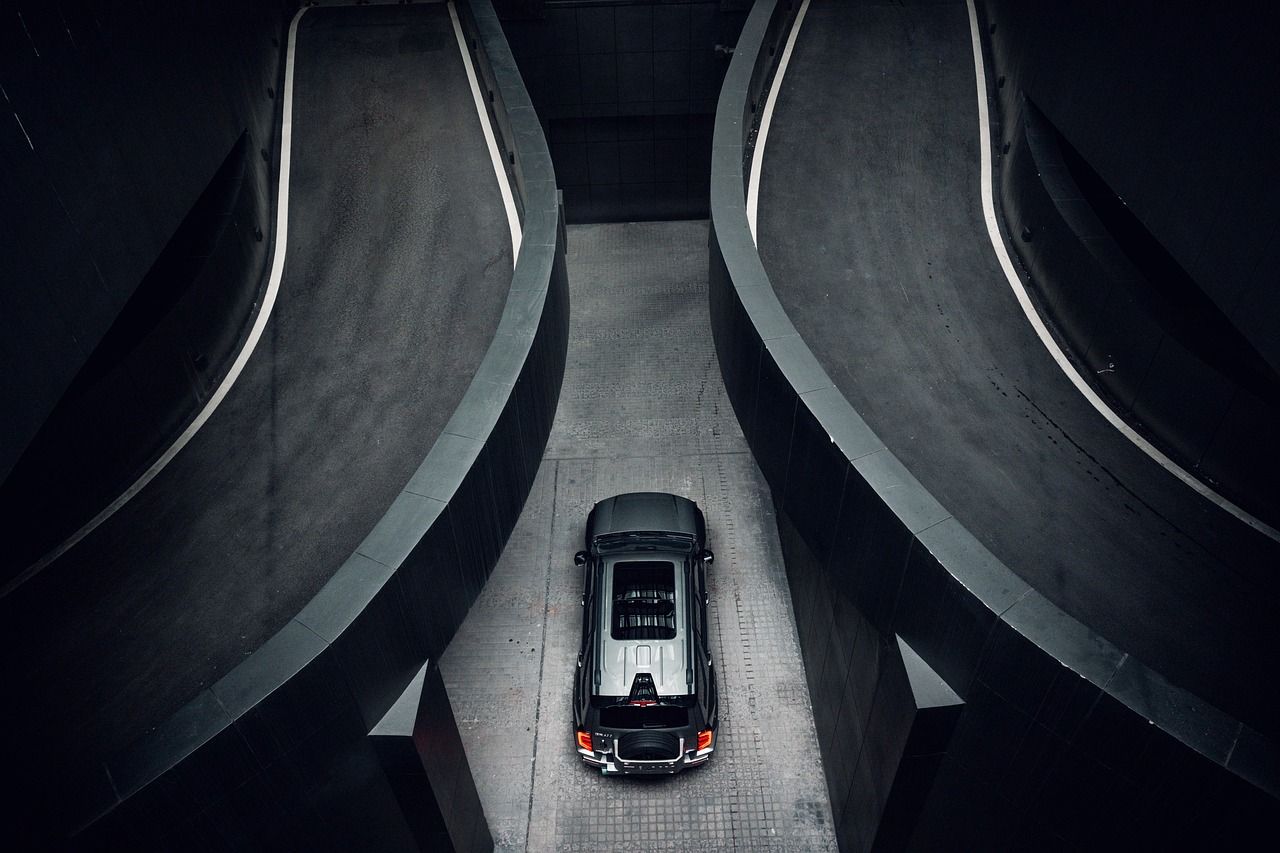
When it comes to SUVs that truly capture the imagination of Indian car buyers, the Tata Harrier consistently finds itself at the top of the list. From its muscular stance to its sophisticated interiors, the Harrier isn't just a vehicle; it's a statement. It’s a testament to Tata Motors' commitment to blending robust engineering with cutting-edge design, all tailored for the unique demands of our Indian roads and driving conditions.
Launched with much fanfare, the Harrier quickly carved a niche for itself, leveraging its OMEGA Arc platform – a derivative of Land Rover's legendary D8 architecture. This wasn't just another SUV; it was a promise of premium capabilities, superior safety, and an unparalleled driving experience. Whether you’re a city slicker navigating urban jungles or an adventurer seeking the thrill of the open highway, the Harrier has something compelling to offer.
But what truly makes the Tata Harrier stand out in a fiercely competitive segment? Is it just its imposing road presence, or is there more beneath the surface? In this comprehensive guide, we’ll take a deep dive into everything that defines this iconic SUV – its design philosophy, interior comforts, performance dynamics, ownership experience, and how it stacks up against its rivals. So, buckle up, because by the end of this, you’ll have a clear picture of why the Tata Harrier continues to be a top contender for your next premium SUV.
The Design That Commands Attention: Exteriors
The first glance at the Tata Harrier is enough to tell you that this is no ordinary vehicle. Tata Motors introduced its 'Impact 2.0' design language with the Harrier, and the result is nothing short of breathtaking. It’s a design that’s both contemporary and timeless, making a powerful impression wherever it goes.
- Dominating Front Fascia: The Harrier’s distinctive split headlamp design immediately catches the eye. The sleek LED DRLs (Daytime Running Lights) are positioned high up, giving it a signature look, while the main projector headlamps are strategically placed lower in the bumper. This unique arrangement, coupled with the chunky grille and aggressive lines, gives the Harrier an almost futuristic yet rugged appeal.
- Muscular Side Profile: From the side, the Harrier showcases its true SUV proportions. The strong character lines, flared wheel arches, and prominent shoulder line contribute to its muscular stance. The floating roof design, achieved with a blacked-out C-pillar, adds a touch of sophistication and modernity. Large alloy wheels, often diamond-cut, perfectly fill the wheel wells, enhancing its commanding presence.
- Sleek Rear End: The rear design complements the front with its clean, uncluttered look. A sleek, interconnected LED taillamp strip often stretches across the tailgate, giving it a wide and premium appearance. The purposeful skid plate and robust bumper further emphasize its SUV credentials.
On Indian roads, where vehicles range from compact hatchbacks to heavy trucks, the Harrier’s design ensures it never gets lost in the crowd. Its sheer size and design philosophy make it a head-turner, instilling a sense of confidence and pride in its owners.
Step Inside: Comfort, Connectivity, and Craftsmanship
Open the door to the Tata Harrier, and you’re greeted by an interior that prioritizes both comfort and technology. Tata Motors has paid meticulous attention to detail, creating a cabin that feels premium, spacious, and intuitively designed.
- Premium Ambiance: The dashboard features a multi-layered design with soft-touch materials, often complemented by wood-finish or brushed aluminium inserts, elevating the overall feel. The choice of upholstery, ranging from high-quality fabric to plush leatherette, adds to the luxury quotient.
- Space for Everyone: The Harrier is a true five-seater SUV, offering generous legroom, headroom, and shoulder room for all occupants. The rear bench is particularly accommodating, allowing three adults to travel comfortably, even on longer journeys. The wide-opening doors make ingress and egress effortless.
- Intuitive Infotainment: At the heart of the cabin is a large floating touchscreen infotainment system. Modern iterations boast a slicker interface, seamless smartphone connectivity (Apple CarPlay and Android Auto), and often come with connected car technology. The sound system is usually well-tuned, providing a rich audio experience.
- Feature-Rich Experience: Depending on the variant, the Harrier offers a plethora of features designed for convenience and luxury. These can include a panoramic sunroof (a crowd favourite!), ventilated front seats for those hot Indian summers, automatic climate control, a multi-function steering wheel, ambient lighting, and multiple charging points. Practicality is further enhanced by ample storage spaces, including a cooled glove box and large door pockets.
- Ergonomics and Driver Focus: The driver’s seat is commanding, offering excellent visibility of the road ahead. The controls are well-placed, ensuring an ergonomic and distraction-free driving experience. The digital instrument cluster in newer models adds to the modern appeal, providing clear and customizable information.
The Harrier’s cabin is designed to be a comfortable sanctuary, whether you’re stuck in city traffic or cruising on a national highway. It successfully blends practicality with a sense of occasion, making every drive an enjoyable one.
Power, Performance, and Poise: On the Road Experience
Underneath its sculpted hood, the Tata Harrier houses a powerful heart that ensures it performs as impressively as it looks. The driving dynamics are a significant highlight, thanks to its robust engine and Land Rover-derived platform.
- The Kryotec Diesel Engine: The Harrier is powered by the renowned 2.0-litre Kryotec diesel engine. This unit is essentially a rebadged version of Fiat's Multijet II engine, known for its refinement and robust performance. It typically delivers around 170 PS of power and a substantial 350 Nm of peak torque. This engine feels potent and responsive, providing ample grunt for both city overtakes and highway cruising.
- Transmission Choices: Buyers have the option of a 6-speed manual transmission, offering engaging shifts for those who prefer to be in control. For convenience, especially in dense Indian traffic, there's also a smooth 6-speed torque converter automatic transmission. The automatic unit is well-tuned, providing seamless shifts and making the driving experience remarkably stress-free.
- Ride and Handling: This is where the OMEGA Arc platform truly shines. The Harrier offers an incredibly sophisticated ride quality, absorbing bumps and undulations on Indian roads with remarkable composure. The suspension is tuned to strike a perfect balance between comfort and stability. Handling is confident, with good grip and minimal body roll for an SUV of its size, making it surprisingly agile around corners. The steering, while light at city speeds, weighs up nicely on highways, providing reassuring feedback.
- Driving Modes: To further enhance the driving experience, the Harrier often comes with multiple drive modes (Eco, City, Sport) that adjust engine response and steering feel. Additionally, terrain response modes (Normal, Wet, Rough) are available, optimizing the traction control and ESP systems for varying surfaces, which is particularly useful for light off-roading or challenging road conditions.
- Fuel Efficiency: While exact figures vary with driving style and conditions, the Harrier generally delivers respectable real-world mileage for a premium diesel SUV, often in the range of 12-16 km/l, making it a viable option for those concerned about running costs.
Safety First: A Core Tata Promise
Tata Motors has always prioritized safety, and the Harrier is a shining example. It comes packed with a comprehensive suite of safety features to protect its occupants:
- Multiple Airbags (typically 6 airbags in higher variants)
- Anti-lock Braking System (ABS) with Electronic Brake-force Distribution (EBD)
- Electronic Stability Program (ESP)
- Traction Control (TC)
- Hill Hold Control (HHC) and Hill Descent Control (HDC)
- Roll Over Mitigation (ROM)
- Corner Stability Control (CSC)
- Rear Parking Sensors and Camera
- ISOFIX child seat mounts
Moreover, newer iterations of the Harrier have introduced Advanced Driver-Assistance Systems (ADAS) features like Forward Collision Warning, Autonomous Emergency Braking, Lane Departure Warning, Blind Spot Detection, and Adaptive Cruise Control, significantly enhancing both active and passive safety measures, bringing it on par with global safety standards.
Variants, Value, and Competition
The Tata Harrier is offered in a range of variants, allowing buyers to choose a model that best fits their budget and feature requirements. From the more accessible entry-level models to the fully loaded top-spec variants, there’s a Harrier for various tastes.
- Understanding the Lineup: Typically, the variants are named in a progressive manner, such as Smart, Pure, Adventure, Fearless (as per latest iterations) or XE, XM, XT, XZ (previous nomenclature). As you move up the ladder, you unlock more premium features, advanced safety tech, and cosmetic enhancements.
- Value Proposition: The Harrier consistently offers a compelling value proposition. For its price point, it delivers a level of design, build quality, safety, and driving sophistication that often rivals vehicles from higher segments. The robust build and premium materials contribute to a perception of longevity and durability, which is highly valued by Indian consumers.
- Key Competitors: The Harrier operates in a fiercely competitive segment. Its primary rivals include:
- Mahindra XUV700: Known for its feature-rich cabin and powerful engines.
- MG Hector: A strong contender with its internet-connected features and spacious interior.
- Hyundai Creta/Kia Seltos: While slightly smaller, their top variants often compete on price and features.
- Jeep Compass: A direct rival, especially for those seeking robust off-road capability (though Harrier lacks AWD).
What sets the Harrier apart is its unique blend of Land Rover DNA, stunning design, and Tata's commitment to safety and local engineering. It holds its own by offering a distinct personality and driving experience that many find irresistible.
The Ownership Experience: What to Expect
Buying an SUV is a significant investment, and the ownership experience plays a crucial role in customer satisfaction. Tata Motors has been diligently working on enhancing its after-sales service network and overall customer journey, and this is reflected in the Harrier’s ownership proposition.
- Service Network: Tata Motors boasts one of the most extensive service networks across India, ensuring that service and maintenance facilities are readily accessible, even in tier-2 and tier-3 cities. This widespread reach is a major advantage.
- Maintenance Costs: Generally, the Harrier’s maintenance costs are competitive within its segment. Regular service intervals and the availability of spare parts contribute to a manageable ownership expense.
- Reliability: Over the years, the Harrier has proven itself to be a reliable vehicle. Tata Motors has continuously refined the product, addressing initial concerns and improving overall build quality and component reliability.
- Resale Value: Tata vehicles, including the Harrier, typically hold a decent resale value in the Indian market, driven by their popularity, robust build, and continuous demand.
Pros and Cons: A Quick Summary
To help you weigh your options, here’s a quick glance at the Harrier’s strengths and areas for improvement:
- Pros:
- Stunning and imposing design with strong road presence.
- Solid build quality and 5-star GNCAP safety rating (for models tested), instilling confidence.
- Refined and powerful Kryotec diesel engine.
- Comfortable and sophisticated ride quality, excellent for Indian roads.
- Spacious and premium interior with a feature-rich cabin.
- Advanced safety features, including ADAS in newer variants.
- Competitive pricing and value for money.
- Cons:
- Lack of an AWD/4x4 option might deter some serious off-road enthusiasts.
- Rear visibility can be slightly challenging due to thick C-pillars (mitigated by cameras).
- Earlier models had infotainment glitches, though largely resolved in updates.
- Historical perceptions of Tata service, though improving significantly.
Conclusion: Is the Tata Harrier Your Next SUV?
The Tata Harrier has come a long way since its debut, evolving into a highly polished and desirable premium SUV that truly understands the pulse of the Indian automotive market. It offers a unique blend of eye-catching design, a luxurious and comfortable cabin, powerful and refined performance, and a robust safety package.
Whether you’re drawn to its commanding road presence, the plush comfort of its interiors, the exhilarating drive of its diesel engine, or the peace of mind offered by its safety credentials, the Harrier makes a compelling case. It’s a vehicle that doesn’t just transport you from point A to point B; it elevates the entire journey, making every drive an experience to cherish.
For Indian families seeking a safe, stylish, and capable SUV that can handle everything from daily commutes to adventurous road trips, the Tata Harrier stands out as a strong contender. Its continuous evolution, commitment to technology, and underlying Land Rover DNA make it a choice you're unlikely to regret. If you’re in the market for a premium SUV that’s truly 'Made of Great,' the Tata Harrier absolutely deserves a test drive.
Is the Tata Harrier a good family car for Indian conditions?
Absolutely! The Tata Harrier is an excellent family car for Indian conditions. It offers a spacious cabin that comfortably seats five adults, a large boot for luggage, and a robust build with a high safety rating (5-star GNCAP for models tested). Its comfortable ride quality handles diverse road conditions well, making long journeys pleasant for all passengers. Plus, features like a panoramic sunroof and ventilated seats (in higher variants) add to the family comfort.
What is the real-world mileage of the Tata Harrier?
The real-world mileage of the Tata Harrier, powered by its 2.0-litre Kryotec diesel engine, typically ranges between 12 to 16 km/l. This can vary based on driving style, traffic conditions, and whether you're driving in the city or on highways. The automatic transmission might offer slightly lower figures compared to the manual in certain conditions, but overall, it provides respectable fuel efficiency for a premium diesel SUV of its size.
Does the Tata Harrier offer ADAS (Advanced Driver-Assistance Systems) features?
Yes, newer iterations and facelifted models of the Tata Harrier do come equipped with ADAS (Advanced Driver-Assistance Systems) features. These include crucial safety and convenience technologies such as Forward Collision Warning, Autonomous Emergency Braking, Lane Departure Warning, Blind Spot Detection, Traffic Sign Recognition, and Adaptive Cruise Control, significantly enhancing the driving experience and safety quotient.
What are the main competitors of the Tata Harrier in the Indian market?
The Tata Harrier faces strong competition in the Indian SUV segment. Its main rivals include the Mahindra XUV700, MG Hector, and the Jeep Compass. While slightly smaller, top variants of the Hyundai Creta and Kia Seltos also compete on price and features, offering alternatives in the highly contested mid-size SUV category.
Is the Tata Harrier available with an automatic transmission?
Yes, the Tata Harrier is available with an automatic transmission option. Alongside its 6-speed manual gearbox, buyers can opt for a 6-speed torque converter automatic transmission. This automatic unit is well-regarded for its smooth shifts and convenience, especially beneficial for driving in heavy city traffic conditions prevalent in India.