Imagine a home that greets you, adjusts the lights to your mood, brews your coffee just as you wake up, and keeps an eye on things while you're away. What once felt like science fiction is rapidly becoming our reality, especially here in India. The smart home market is booming, and by 2026, we’re looking at an ecosystem that’s more integrated, intuitive, and accessible than ever before.
As technology evolves, so do our expectations. We want convenience, efficiency, and peace of mind, all tailored to our unique Indian lifestyles. From managing our energy consumption during peak summer hours to ensuring the safety of our loved ones, smart devices are stepping up to meet these demands.
This comprehensive guide dives into the most promising smart home devices set to dominate the Indian market by 2026. We’ll explore everything from the intelligent hubs that tie it all together, to the speakers that listen, the lights that transform your space, and the security systems that protect your sanctuary. Get ready to future-proof your home with the smartest tech on the horizon!
The Brains of the Operation: Smart Hubs and Ecosystems
At the heart of every truly smart home lies a robust hub or a seamlessly integrated ecosystem. By 2026, the emphasis will be even more on interoperability and ease of setup. Forget juggling multiple apps for different devices; the future is about a single, unified control centre.
The Rise of Matter: The Universal Standard
One of the biggest game-changers will be the widespread adoption of Matter. This new industry standard aims to make smart home devices from different brands work together effortlessly. Imagine buying a smart bulb from one company and a smart switch from another, knowing they’ll communicate without a hitch. For Indian consumers, Matter will simplify choices, reduce frustration, and potentially lower costs by avoiding vendor lock-in.
Google Home and Amazon Alexa: The Dominant Players
Google Home and Amazon Alexa ecosystems will continue to evolve, offering deeper integration and more intelligent routines. By 2026, expect enhanced Hindi and other regional language support, more nuanced voice commands, and predictive capabilities that learn your habits. These platforms will become even more central to managing everything from your entertainment to your home security, often serving as the de-facto hub.
Apple HomeKit: Premium and Private
For Apple users, HomeKit will offer a refined experience with a strong focus on privacy and security. While traditionally more premium, Apple's embrace of Matter will broaden its compatibility, making it an attractive option for those prioritizing seamless integration within the Apple ecosystem and robust data protection.
Your Voice, Their Command: Smart Speakers
Smart speakers have moved beyond simple music playback; by 2026, they will be the primary interface for many smart homes, acting as personal assistants, entertainment hubs, and communication devices.
Amazon Echo Devices (with Alexa)
The Echo lineup will remain a strong contender, offering devices across various price points. By 2026, expect even better audio quality, more advanced AI for contextual understanding, and potentially integrated displays that offer visual information alongside voice responses. Their growing support for Indian languages and deep integration with local services will keep them at the forefront.
Google Nest Speakers (with Google Assistant)
Google Nest speakers will excel in their ability to answer complex queries, manage your calendar, and integrate with Google's vast suite of services. Look for improvements in multi-room audio, more natural conversation flows, and advanced routines that can trigger based on time, location, or even your daily schedule.
Future Innovations: Beyond Listening
Expect smart speakers to incorporate more sensors – not just for sound, but also for motion, temperature, and even air quality. This will allow them to play a more proactive role in home automation, adjusting settings without you even having to ask.
Set the Mood: Smart Lighting Solutions
Smart lighting is often the first step for many into home automation, and by 2026, it will offer unparalleled flexibility, energy efficiency, and aesthetic appeal.
Philips Hue: The Gold Standard
Philips Hue will continue to lead with its extensive range of bulbs, light strips, and accessories. Expect even richer colour palettes, more dynamic scene capabilities, and tighter integration with entertainment systems for immersive experiences. Their reliability and long lifespan make them a worthwhile investment.
Affordable Alternatives: Wipro, Syska, Xiaomi
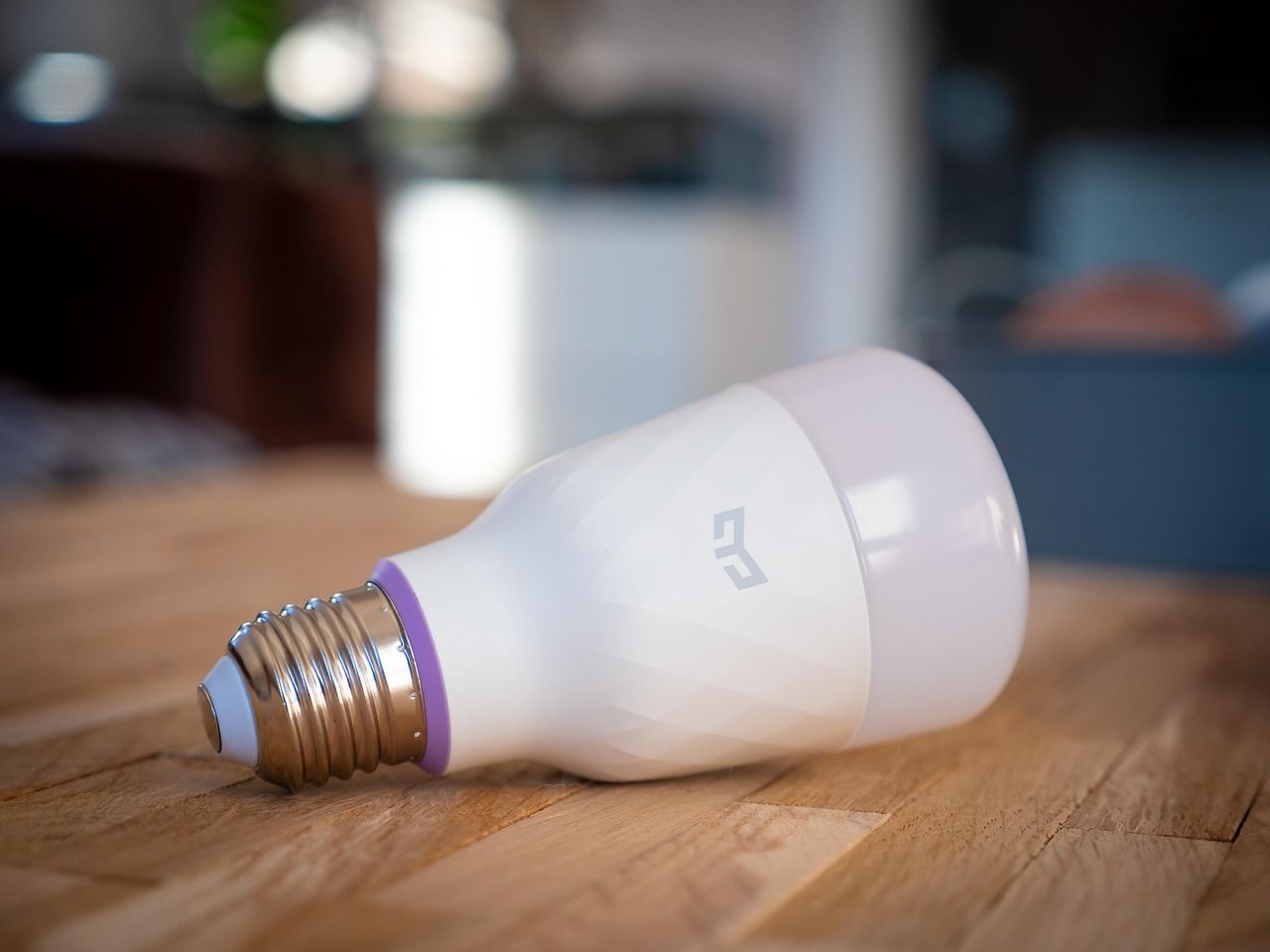
Indian brands like Wipro and Syska, along with global players like Xiaomi, will offer feature-rich smart bulbs and light strips at competitive prices. By 2026, these options will boast improved colour accuracy, better app control, and robust connectivity, making smart lighting accessible to a wider audience.
Adaptive Lighting and Energy Saving
Future smart lighting will go beyond simple scheduling. Expect systems that adapt to natural light cycles, mimic human circadian rhythms, and even dim automatically to conserve energy when a room is unoccupied. This will be particularly beneficial in India, helping manage electricity bills.
Eyes and Ears: Smart Security Devices
Home security is a paramount concern, and smart devices offer a powerful layer of protection. By 2026, these systems will be more intelligent, proactive, and less intrusive.
Smart Cameras: Always Vigilant
Brands like Arlo, Ring, Eufy, and even local players like Godrej and CP Plus, will offer cameras with advanced AI features. Expect highly accurate person/pet detection, package delivery alerts, and facial recognition capabilities. Local storage options, alongside cloud subscriptions, will become more prevalent, addressing privacy concerns for Indian users.
Video Doorbells: Your Digital Gatekeeper
Video doorbells will offer clearer two-way audio, wider fields of view, and improved night vision. Integration with smart locks will allow you to grant access remotely, perfect for unexpected deliveries or guests when you're not home. For multi-dwelling units common in Indian cities, these will be indispensable.
Smart Locks: Keyless Convenience
Brands like Yale, August, and Godrej will offer smart locks that can be controlled via your smartphone, fingerprint, or even voice. Expect enhanced encryption and battery life, providing peace of mind and convenience. These will also integrate seamlessly with overall security ecosystems for a holistic approach.
The Unsung Heroes: Smart Plugs and Switches
Sometimes, the simplest solutions are the most effective. Smart plugs and switches are excellent entry points into home automation, and by 2026, they’ll be even more versatile.
Universal Compatibility
Smart plugs from brands like Wipro, Mi, TP-Link, and AmazonBasics will offer universal compatibility with Indian sockets and robust connectivity. These devices can turn any 'dumb' appliance into a smart one – from your geyser to your fairy lights.
Advanced Energy Monitoring
By 2026, most smart plugs will offer granular energy consumption tracking, helping you identify power-hungry appliances and make informed decisions to save electricity. This feature is particularly valuable in India, where managing utility costs is a priority.
Smart Switches for Integrated Control
Replacing traditional switches with smart ones offers a cleaner aesthetic and more comprehensive control, especially for lights and fans. Brands like Anchor, Wipro, and even modular switch makers will offer smart panels that blend seamlessly with your home's decor while providing touch, app, and voice control.
Climate Control: Smart Thermostats and AC Controllers
Keeping your home comfortable year-round, especially during scorching Indian summers or chilly winters, is crucial. Smart climate control will offer efficiency and convenience.
Intelligent Thermostats (Global Perspective)
While traditional smart thermostats like Nest or Ecobee are popular globally, their direct application in India is limited due to the prevalence of split ACs. However, the underlying intelligence – learning your preferences, optimising energy use, and integrating with external weather data – will become more accessible.
Smart AC Controllers (India-Centric Solution)
Devices like Sensibo Sky, Oakter, or Ambi Climate will continue to be essential for Indian homes. These retrofittable controllers turn any IR-remote-controlled AC into a smart one, offering app control, scheduling, and even geo-fencing (turning off the AC when you leave home). By 2026, expect even smarter algorithms for predictive cooling and integration with air purifiers.
Beyond the Basics: Other Smart Gadgets to Watch Out For
The smart home ecosystem is constantly expanding. Here are a few other categories that will see significant innovation and adoption by 2026:
Robot Vacuums and Mops
Brands like Xiaomi, Roomba, and Ecovacs will offer more intelligent robot vacuums with improved navigation, better suction, and integrated mopping capabilities. Expect self-emptying docks and robust algorithms that handle various floor types and Indian household clutter with ease.
Smart Appliances
From smart refrigerators that track inventory and suggest recipes, to washing machines that optimise cycles based on load and fabric, major appliance manufacturers like Samsung, LG, and Bosch will continue to integrate smart features, offering greater convenience and energy efficiency.
Smart Blinds and Curtains
Automated blinds and curtains will offer privacy, light control, and energy savings by regulating heat gain. They can be scheduled to open and close based on the time of day, sunlight intensity, or even your daily routine.
Embracing the Smart Home Future in India
By 2026, the smart home landscape in India will be defined by greater interoperability, advanced AI, enhanced security features, and increasingly localised solutions. The days of complicated setups and incompatible devices are fading, replaced by intuitive systems that genuinely simplify daily life.
Whether you're looking to enhance security, improve energy efficiency, or simply add a layer of convenience to your routine, there's a smart device out there for you. Start small, perhaps with a smart speaker or a few smart bulbs, and gradually build your connected home. The future is bright, smart, and waiting to be explored!
What smart home device are you most excited to integrate into your Indian home by 2026? Share your thoughts in the comments!
Which smart home ecosystem is best for Indian users by 2026?
By 2026, Google Home and Amazon Alexa will likely remain the most popular choices due to their widespread device compatibility, growing support for Indian languages, and integration with local services. However, with the rise of the Matter standard, many devices will work across ecosystems, giving users more flexibility.
Are smart home devices secure enough for Indian households?
Security is a major focus for smart home manufacturers. By 2026, expect enhanced encryption, two-factor authentication, and more local data processing options. It's crucial for users to choose reputable brands, set strong passwords, and keep device firmware updated to ensure optimal security.
How much does it cost to set up a smart home in India by 2026?
The cost can vary significantly depending on the scale and complexity of your smart home. Basic setups, like a smart speaker and a few smart bulbs, can start from as low as ₹5,000-₹10,000. A more comprehensive setup with security cameras, smart locks, and multiple integrated devices could range from ₹50,000 to over ₹2,00,000. Prices are expected to become more competitive by 2026, with more budget-friendly, feature-rich options.
Can smart home devices work reliably with India's internet infrastructure and power fluctuations?
Yes, most reputable smart home devices are designed to handle varying internet speeds and occasional power fluctuations. Many operate locally even without an internet connection for basic functions. However, a stable Wi-Fi connection is crucial for full functionality. For power issues, integrating devices with a UPS or choosing options with surge protection can provide added reliability. By 2026, devices will likely have even better resilience and local processing capabilities.
Do smart home devices support regional Indian languages by 2026?
Absolutely! Amazon Alexa and Google Assistant already offer robust support for Hindi and are continually improving their understanding of other regional Indian languages like Marathi, Tamil, Bengali, and Kannada. By 2026, expect even more nuanced language support, allowing for more natural and conversational interactions with your smart home devices, making them truly accessible to a wider Indian audience.