Best Portable Power Station Buying Guide: Things to Consider for Indian Homes & Adventures
Ah, India! A land of vibrant cultures, breathtaking landscapes, and… occasional power cuts. Whether you’re living in a bustling city experiencing load shedding, planning an adventurous road trip to the mountains, or simply looking for a reliable backup for your essential electronics, the need for consistent power is universal. This is where a portable power station becomes an absolute game-changer. But with so many options flooding the market, how do you pick the right one?
Fear not! This comprehensive buying guide is here to simplify your decision. We’ll walk you through all the crucial things to consider when choosing the best portable power station for your specific needs, focusing on practical advice relevant to Indian consumers.
What Exactly is a Portable Power Station?
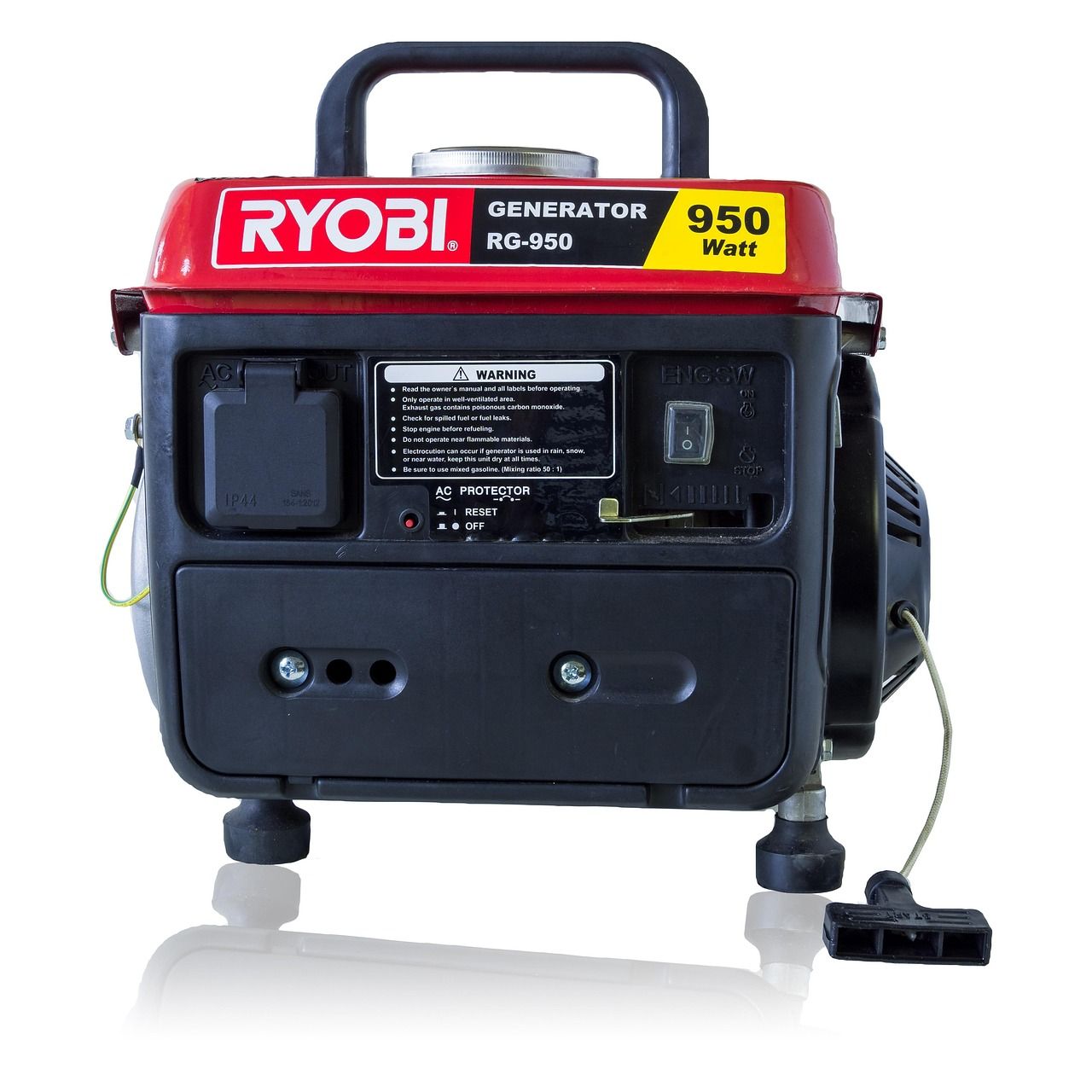
Think of a portable power station as a super-sized, rechargeable power bank for all your devices, from your smartphone and laptop to small home appliances like fans, mini-fridges, or even a mixer. Unlike traditional generators that run on fuel and produce noise and emissions, these stations are battery-powered, silent, and emit zero fumes, making them perfect for indoor and outdoor use. They come equipped with various output ports – AC (regular wall sockets), DC (car charging ports), and multiple USB ports – to charge and power almost anything.
Why Do Indian Households & Travelers Need a Portable Power Station?
The reasons are manifold, especially for us in India:
- Frequent Power Cuts: From scheduled load shedding in some regions to unexpected outages due to weather or grid issues, power disruptions are a part of life. A portable power station ensures your work isn't interrupted, your food stays cold, and your evenings aren't plunged into darkness.
- Outdoor Adventures: Planning a camping trip to Leh-Ladakh, a beach holiday in Goa, or a weekend getaway to a remote farm stay? Keep your drones charged, cameras ready, and mobile phones alive to capture every moment, far from any wall socket.
- Work from Home/Remote Work: In the age of remote work, a power cut can halt your productivity. Keep your laptop, Wi-Fi router, and essential desk lamp powered up seamlessly.
- Emergency Preparedness: During natural calamities like floods or storms, when grid power might be unavailable for days, a portable power station can be a lifeline for communication, lighting, and even medical devices.
- Small Businesses: Street vendors, small kiosks, or event organizers can benefit immensely from a silent, portable power source to run lights, payment machines, or small appliances.
Best Portable Power Station Buying Guide: Things to Consider
Now, let's dive into the core factors that will help you make an informed decision:
1. Capacity: How Much Power Do You Really Need? (Watt-Hours - Wh)
This is arguably the most critical factor. Capacity is measured in Watt-hours (Wh) or Kilowatt-hours (kWh). Simply put, it tells you how long a power station can run a device before needing a recharge. A higher Wh means more power and longer runtime.
- Small Needs (100-300 Wh): Ideal for charging phones (multiple times), tablets, drones, LED lights, and small cameras. Perfect for short trips or basic emergency backup.
- Medium Needs (300-700 Wh): Can power laptops, Wi-Fi routers, a small fan, a mini-fridge, or even a CPAP machine for several hours. Great for extended camping or home office backup.
- Large Needs (700-1500 Wh+): Capable of running larger appliances like a small TV, an induction cooktop (for short periods), a small mixer, or multiple devices simultaneously. Essential for longer outages, RVs, or powering a small setup off-grid.
How to Estimate: Check the wattage (W) of the devices you want to power. Divide the power station's Wh by the device's W to get an approximate run time. For example, a 500 Wh station can power a 100W laptop for roughly 5 hours (500/100).
2. Output Ports & Wattage: Can It Power Your Devices?
Your power station is only as good as its ability to connect to and power your devices. Look for a variety of ports and sufficient output wattage.
- AC Outlets: These are your standard wall sockets. Ensure the continuous output wattage (e.g., 500W, 1000W) is higher than the total wattage of all AC devices you plan to run simultaneously. Also, check for peak/surge wattage, which allows for brief bursts of higher power needed by some appliances (like a refrigerator compressor starting up). Indian power stations should preferably have universal or Type D/M sockets for local compatibility.
- USB Ports: Most power stations come with USB-A and USB-C ports. Look for:
- USB-C Power Delivery (PD): Essential for fast-charging modern smartphones, tablets, and laptops. Higher PD wattage (e.g., 60W, 100W) means faster charging.
- Quick Charge (QC) USB-A: For rapid charging of compatible Android devices.
- DC Outlets: Typically a 12V car cigarette lighter port, useful for car accessories or specific DC appliances.
Make a list of devices you intend to power and their wattage requirements before buying. This is a crucial step in this buying guide.
3. Battery Type: LiFePO4 vs. Lithium-ion (NMC)
The battery chemistry significantly impacts the power station's lifespan, safety, and performance.
- Lithium Iron Phosphate (LiFePO4):
- Pros: Much longer lifespan (2500-3500+ charge cycles), superior safety (less prone to overheating or combustion), better performance in extreme temperatures, more stable.
- Cons: Generally heavier and can be slightly more expensive.
- Lithium-ion (NMC - Nickel Manganese Cobalt):
- Pros: Lighter weight, more compact, often found in smaller, more budget-friendly units.
- Cons: Shorter lifespan (500-1000 charge cycles), potentially less stable at high temperatures, though modern units have good safety management systems.
For long-term reliability and peace of mind, especially with frequent use in varying Indian climates, LiFePO4 is often the preferred choice, despite the higher initial investment.
4. Charging Options: How Will You Refuel It?
A versatile power station offers multiple ways to recharge itself:
- Wall Charging (AC): The most common method. Check the charging speed; some can recharge to 80% in an hour, while others take several hours.
- Solar Charging: Highly recommended, especially for off-grid use, emergencies, or eco-conscious users. Ensure the power station has an MPPT (Maximum Power Point Tracking) controller for efficient solar charging. Also, check the maximum solar input wattage it can handle. Solar panels are becoming increasingly accessible and popular in India.
- Car Charging (12V): Great for road trips, allowing you to charge the unit while driving.
Some advanced units also support charging via a generator or even USB-C PD.
5. Portability & Design: Where Will You Use It?
Consider the physical aspects:
- Weight: If you plan to carry it often (camping, hiking), a lighter unit (under 5-7 kg) is preferable. For home backup, weight might be less of a concern.
- Size: Check its dimensions to ensure it fits in your car trunk, backpack, or designated spot at home.
- Handle: A sturdy, comfortable handle is crucial for easy transport.
- Durability: Look for a robust casing that can withstand bumps and scrapes, especially if you plan outdoor adventures.
6. Safety Features: Don't Compromise
Safety is paramount, especially when dealing with electricity. Ensure the portable power station has comprehensive safety features:
- Overload Protection
- Short-Circuit Protection
- Over-Voltage Protection
- Under-Voltage Protection
- Over-Temperature Protection
- Battery Management System (BMS)
These features protect both the power station and your connected devices from potential damage and ensure safe operation.
7. Brand Reputation & Warranty: Service Matters
Invest in a reputable brand known for quality and reliability. Check user reviews, especially from Indian customers, regarding product performance and after-sales service. A good warranty (e.g., 2-5 years) provides peace of mind. Ensure the brand has accessible customer support and service centers within India, as shipping heavy batteries for repairs can be complicated and expensive.
8. Budget: Balancing Cost and Features
Portable power stations range from ₹10,000 for basic units to ₹1,00,000+ for high-capacity, feature-rich models. Set a realistic budget based on your needs. Remember, a cheaper unit might save money upfront but could compromise on capacity, battery life, or safety features. Consider it an investment for reliable power.
Choosing the Best Portable Power Station Based on Your Needs (India-Specific Scenarios)
- For Basic Home Backup (Phones, Lights, Fan): A 300-500 Wh unit with good AC and USB-C PD output. Look for LiFePO4 battery for longevity.
- For Work from Home & Small Appliances (Laptop, Router, Monitor, Small Fan): A 500-800 Wh unit with robust AC output (500W+ continuous) and multiple USB-C PD ports.
- For Camping & Road Trips (Drones, Cameras, Mini-Fridge, Lights): A 700-1200 Wh unit that is reasonably portable. Prioritize solar charging capability and multiple output types.
- For Extended Emergency Preparedness (Limited Appliances like Fridge, TV, Induction Cooktop for short durations): A 1000-2000 Wh unit with high AC output (1000W+ continuous) and preferably LiFePO4 battery for reliability and lifespan. Consider the ability to integrate with multiple solar panels.
Conclusion: Power Up Your Life, The Smart Way
A portable power station is more than just a gadget; it’s a reliable companion that offers independence from the grid and peace of mind during power outages or adventures. By carefully considering the capacity, output, battery type, charging options, portability, safety, brand reputation, and your budget, you can confidently choose the best portable power station that perfectly fits your Indian lifestyle.
Don't let a power cut dim your spirits or disrupt your plans. Invest wisely, stay connected, and keep your adventures powered!
Are portable power stations safe to use indoors in India?
Yes, portable power stations are generally very safe for indoor use in India. Unlike fuel-powered generators, they run on batteries, producing no fumes, noise, or emissions. Modern units come with advanced Battery Management Systems (BMS) and multiple safety features like overload, short-circuit, and over-temperature protection.
Can I run a small refrigerator or an induction cooktop with a portable power station?
It depends on the power station's capacity (Wh) and continuous AC output wattage. A small refrigerator typically needs around 60-100W, but its compressor might surge to 300-500W when starting. An induction cooktop can draw 1000-2000W. You would need a higher capacity (1000 Wh+) and high continuous AC output (1000W+) power station to handle such appliances, and even then, usually only for short durations.
How long do portable power stations typically last (lifespan)?
The lifespan is measured in charge cycles. Portable power stations with Lithium Iron Phosphate (LiFePO4) batteries can last significantly longer, often providing 2,500 to 3,500+ charge cycles before their capacity degrades to about 80%. Those with traditional Lithium-ion (NMC) batteries typically offer 500 to 1,000 charge cycles. A charge cycle is one full charge and discharge.
Is solar charging efficient for portable power stations in India?
Absolutely! India receives abundant sunlight, making solar charging a highly efficient and eco-friendly option. Most quality portable power stations can be connected to solar panels, especially those with an MPPT controller for maximum efficiency. This is ideal for off-grid scenarios, long power cuts, or simply reducing your electricity bill.