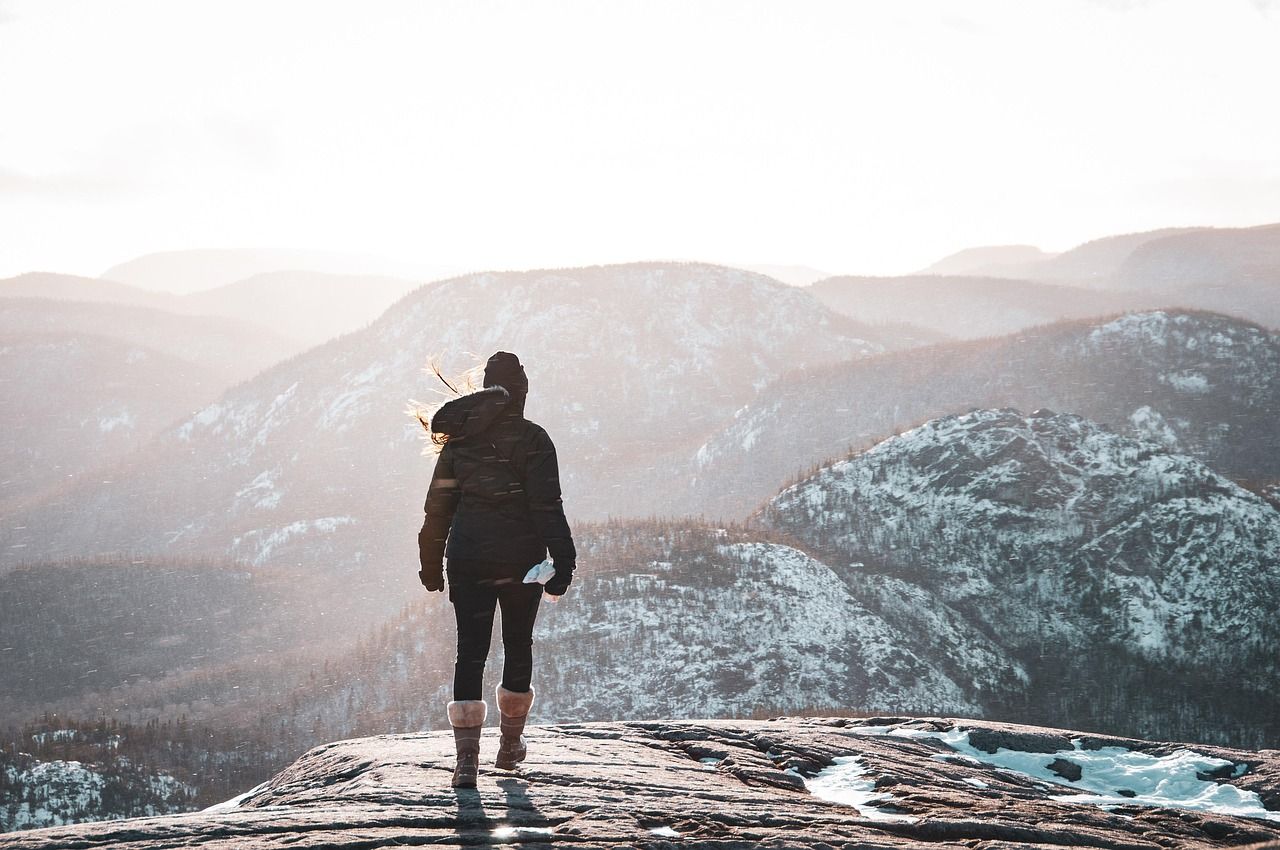
The mountains are calling, and whether it’s the majestic Himalayas, the lush Western Ghats, or the rugged trails of the North East, India offers a breathtaking tapestry of landscapes for every adventurer. But before you answer that call, there’s one piece of gear that stands paramount: your hiking boots. Far more than just footwear, the right pair of hiking boots is your most trusted companion, offering support, protection, and comfort across diverse terrains. Choosing the best hiking boots for trekking and adventure in India isn't just about buying a sturdy pair; it’s about making an informed decision that could define your entire outdoor experience.
Imagine navigating a slippery monsoon trail in the Sahyadris, tackling rocky scree slopes in Himachal, or crossing a snow-covered pass in Uttarakhand. Without proper footwear, these thrilling experiences can quickly turn into uncomfortable, even dangerous, situations. This comprehensive guide is designed specifically for Indian trekkers, helping you understand what makes a great hiking boot and how to select the perfect pair for your next adventure.
Why Your Hiking Boots Are Your Best Friend on Indian Trails
India’s trekking routes are as varied as its culture. From tropical forests to high-altitude deserts, the challenges are unique. Here’s why investing in good hiking boots is non-negotiable:
-
Unmatched Protection: Our trails are often unpredictable. Sharp rocks, thorny bushes, slush, snow, and even small critters can be hazards. Hiking boots provide a robust barrier, protecting your feet and ankles from impacts and abrasions.
-
Superior Ankle Support: Uneven terrain is the norm. A twisted ankle can quickly end a trek. High-cut boots offer crucial ankle support, stabilising your foot and preventing injuries, especially when carrying a heavy pack or descending steep slopes.
-
Reliable Grip and Traction: Slippery mud, wet rocks, loose gravel, and icy patches demand excellent traction. Specialized outsoles with deep, multi-directional lugs grip the ground firmly, preventing slips and falls.
-
Waterproofing for Monsoons & Snow: India experiences heavy monsoons and significant snowfall in its higher regions. Keeping your feet dry is vital for comfort and preventing issues like blisters, hypothermia, and trench foot. Waterproof membranes are a game-changer.
-
All-Day Comfort: You’ll be spending hours, sometimes days, on your feet. Good boots are designed with cushioning, proper fit, and breathable materials to reduce fatigue and discomfort, allowing you to focus on the journey, not your aching feet.
Key Features to Consider When Buying Hiking Boots
Don't just pick the first pair that looks good. Delve into these essential features to find your perfect match:
1. Material Matters: Leather vs. Synthetics
-
Full-Grain Leather: Highly durable, water-resistant (when treated), and molds to your foot over time. Excellent for heavy backpacking and challenging terrain. Requires more break-in time and regular maintenance. Think long-term Himalayan treks.
-
Split-Grain Leather & Nylon/Synthetic: Lighter, more breathable, and quicker to break in. Often combined with nylon mesh panels for ventilation. Great for lighter treks and warmer climates. While not as durable as full-grain, modern synthetics are very robust.
2. The Waterproofing Imperative: Staying Dry
For Indian conditions, especially during monsoons or snow treks, waterproofing is often non-negotiable. Look for boots with:
-
Gore-Tex (GTX): The most well-known waterproof and breathable membrane. It keeps water out while allowing sweat vapour to escape, preventing clammy feet.
-
Other Proprietary Membranes: Many brands use their own waterproof technologies (e.g., Omni-Tech by Columbia, Futurelight by The North Face). Research their effectiveness.
Remember, waterproof does not mean submergible forever. Water can still enter from the top if you wade through deep water.
3. Sole & Grip: Your Connection to the Earth
The outsole is critical for traction. Look for:
-
Vibram Soles: A widely respected brand known for its durable rubber compounds and aggressive lug patterns that offer excellent grip on various surfaces – from wet rocks to loose soil.
-
Deep, Multi-Directional Lugs: These are the protruding patterns on the sole. Deeper and varied lugs provide better traction on slippery or uneven ground.
-
Stiffness: A stiffer sole provides better support on rocky terrain and when carrying heavy loads, reducing foot fatigue. Softer soles offer more flexibility and ground feel, suitable for easier trails.
4. Ankle Support: High-Cut, Mid-Cut, or Low-Cut?
-
High-Cut Boots: Extend above the ankle, providing maximum support and protection. Ideal for multi-day treks with heavy backpacks, challenging terrain, and rocky trails. Essential for treks like Roopkund, Hampta Pass, or Everest Base Camp (from India side).
-
Mid-Cut Boots: End right at or just above the ankle. A good balance of support, flexibility, and lighter weight. Suitable for day hikes and lighter backpacking trips on moderate trails, such as treks in the Western Ghats or shorter Himalayan trails.
-
Low-Cut Hiking Shoes/Trail Runners: Offer minimal ankle support, akin to athletic shoes. Best for well-maintained trails, speed hiking, or day trips with very light loads. Not recommended for rugged Indian trekking where ankle stability is paramount.
5. Weight and Comfort: Finding Your Balance
Lighter boots reduce fatigue, but heavier boots often provide more support and durability. Consider your typical trek type:
-
Lightweight: For short day hikes or fast-paced treks where minimal gear is carried.
-
Mid-Weight: Versatile for most multi-day treks with moderate loads.
-
Heavyweight: For extended expeditions, off-trail adventures, or winter treks requiring mountaineering capabilities.
Comfort is subjective, but a good fit is universal. Your toes shouldn't touch the front, and your heel shouldn't slip excessively.
6. Breathability: Especially in Warm Climates
While waterproofing is key, breathability ensures your feet don't get soggy from sweat. Many waterproof membranes (like Gore-Tex) are also breathable. For treks in warmer, humid regions (e.g., Southern India during non-monsoon), boots with more mesh panels can be beneficial, provided waterproofing isn't a primary concern.
Types of Hiking Boots for Indian Adventures
Matching your boot type to your adventure is crucial:
1. Lightweight Hiking Shoes & Trail Runners
-
Best For: Day hikes on well-defined trails, city walks, speed hiking, or approaches to climbing routes. Minimal loads.
-
Examples in India: Short trails in national parks, easy walks in Munnar or Darjeeling, or even exploring ruins where sturdy shoes are better than sneakers.
-
Features: Flexible sole, often low-cut, breathable mesh uppers, good grip for dry conditions.
2. Day Hiking Boots
-
Best For: Day-long or overnight treks with light to moderate loads. Moderate trails with some rough patches.
-
Examples in India: Treks in the Western Ghats (e.g., Valley of Flowers in Uttarakhand during non-snowy season, or a short trek in Karnataka), or shorter multi-day treks with pre-arranged camps.
-
Features: Mid-cut for ankle support, waterproof often, good cushioning, durable outsole.
3. Backpacking Boots
-
Best For: Multi-day and multi-week treks carrying heavy loads. Challenging, uneven, and rugged terrain, including off-trail sections.
-
Examples in India: High-altitude Himalayan treks like Chadar Trek (though specialized boots are needed), Roopkund, Everest Base Camp, Hampta Pass, or Annapurna Circuit (accessible from India/Nepal borders). Any trek where you're carrying your own tent and supplies.
-
Features: High-cut for maximum ankle support, stiff sole, full waterproofing, extremely durable construction (often full-grain leather), and aggressive traction.
4. Mountaineering Boots
-
Best For: Technical climbs, glacier travel, high-altitude expeditions, and extreme winter conditions where crampon compatibility is essential.
-
Examples in India: Peak climbing in Ladakh or Uttarakhand (e.g., Stok Kangri, Friendship Peak) or expeditions to higher Himalayan peaks. These are specialized and beyond typical trekking needs for most.
-
Features: Very rigid sole, heavily insulated, specific crampon attachments, extremely durable and weatherproof.
Top Tips for Buying Your Hiking Boots in India
The purchase process is as important as the features themselves:
-
Shop in the Evening: Your feet swell throughout the day. Trying on boots in the evening ensures you get a fit that won’t be too tight when your feet are at their largest.
-
Wear Your Trekking Socks: Always try boots on with the type of socks you’ll actually wear on your trek. This significantly impacts the fit.
-
Walk Around the Store: Don’t just stand there. Walk on inclines (if available), go up and down stairs, and spend at least 10-15 minutes walking to identify any pressure points or discomfort.
-
Test for Fit: Your toes should have room to wiggle, and they shouldn't jam against the front when walking downhill. Your heel should feel secure with minimal slip.
-
Don’t Compromise on Comfort: A slight discomfort in the store will become unbearable miles into your trek. If it doesn’t feel right, it’s not the right boot for you.
-
Consider Brands Available in India: While international brands like Merrell, Salomon, Columbia, Quechua (Decathlon) are popular and widely available, also explore reliable Indian brands that cater to local conditions.
-
Break Them In: Never wear brand-new boots on a long trek. Wear them around your house, on short walks, and then on day hikes to gradually break them in and allow them to mold to your feet. This prevents painful blisters.
Care and Maintenance: Extending the Life of Your Boots
Proper care can significantly extend the life and performance of your hiking boots:
-
Clean Regularly: After each trek, brush off loose dirt and mud. For stubborn grime, use water and a soft brush. Avoid harsh detergents.
-
Dry Properly: Remove insoles and laces, and allow boots to air dry naturally in a well-ventilated area away from direct heat (like sunlight or heaters), which can damage materials.
-
Re-Waterproof: Over time, the DWR (Durable Water Repellent) coating wears off. Use appropriate waterproofing sprays or waxes for your boot material to maintain their water resistance.
-
Store Correctly: Store in a cool, dry place, away from direct sunlight. You can stuff them with newspaper to help absorb moisture and maintain their shape.
Conclusion: Step Confidently into Your Next Adventure
Choosing the best hiking boots for trekking and adventure in India is an investment in your safety, comfort, and overall enjoyment of the great outdoors. By understanding the different types, features, and the importance of a proper fit, you can confidently select a pair that will serve you well on countless journeys, from the misty hills of Meghalaya to the icy passes of Ladakh. Don't rush the decision; take your time, try on different options, and consider the specific demands of your planned treks.
With the right boots laced up, you're not just stepping onto a trail; you're stepping into an unforgettable adventure, ready to conquer every peak and valley that Mother India offers. Happy trekking!
How much should I spend on good hiking boots in India?
The price range for quality hiking boots in India can vary significantly, from INR 4,000 for decent beginner-level boots to INR 15,000+ for high-performance, specialized models from international brands. Consider it an investment. For serious trekkers, aiming for boots in the INR 8,000-12,000 range usually offers a good balance of durability, features, and comfort. Local Indian brands or Decathlon's Quechua range offer good value options.
Do I always need waterproof hiking boots for treks in India?
While not strictly 'always,' waterproof boots are highly recommended for most Indian treks, especially if you plan to trek during the monsoon season (June-September), in areas prone to sudden showers (like the Western Ghats), or in snow-covered regions (Himalayas). Even during dry seasons, stream crossings or unexpected rain can make waterproof boots a lifesaver for comfort and preventing blisters.
What's the main difference between hiking shoes and hiking boots?
The primary difference lies in ankle support and overall construction. Hiking shoes (low-cut) offer less ankle support and are generally lighter and more flexible, suited for well-maintained trails and day hikes. Hiking boots (mid- or high-cut) provide superior ankle stability, more protection, and a stiffer sole, making them ideal for rugged terrain, heavy loads, and multi-day treks, which are common in the Indian Himalayas.
How do I properly break in new hiking boots to avoid blisters?
Breaking in new hiking boots is crucial. Start by wearing them for short periods around the house, then gradually increase to short walks in your neighbourhood, followed by day hikes on varied terrain. This allows the boots to mold to your feet and helps identify any hot spots before a long trek. Always wear the trekking socks you intend to use. Never wear brand new boots on a challenging multi-day trek.
Can I use sports shoes or sneakers for trekking in India?
For very easy, short, and well-maintained trails in dry conditions, sports shoes might suffice. However, for most legitimate trekking and adventure in India – involving uneven terrain, loose rocks, mud, water crossings, or long distances – sports shoes are highly inadequate. They lack ankle support, proper grip, durability, and protection against the elements, significantly increasing the risk of injury and discomfort. Always invest in proper hiking footwear for your safety and enjoyment.