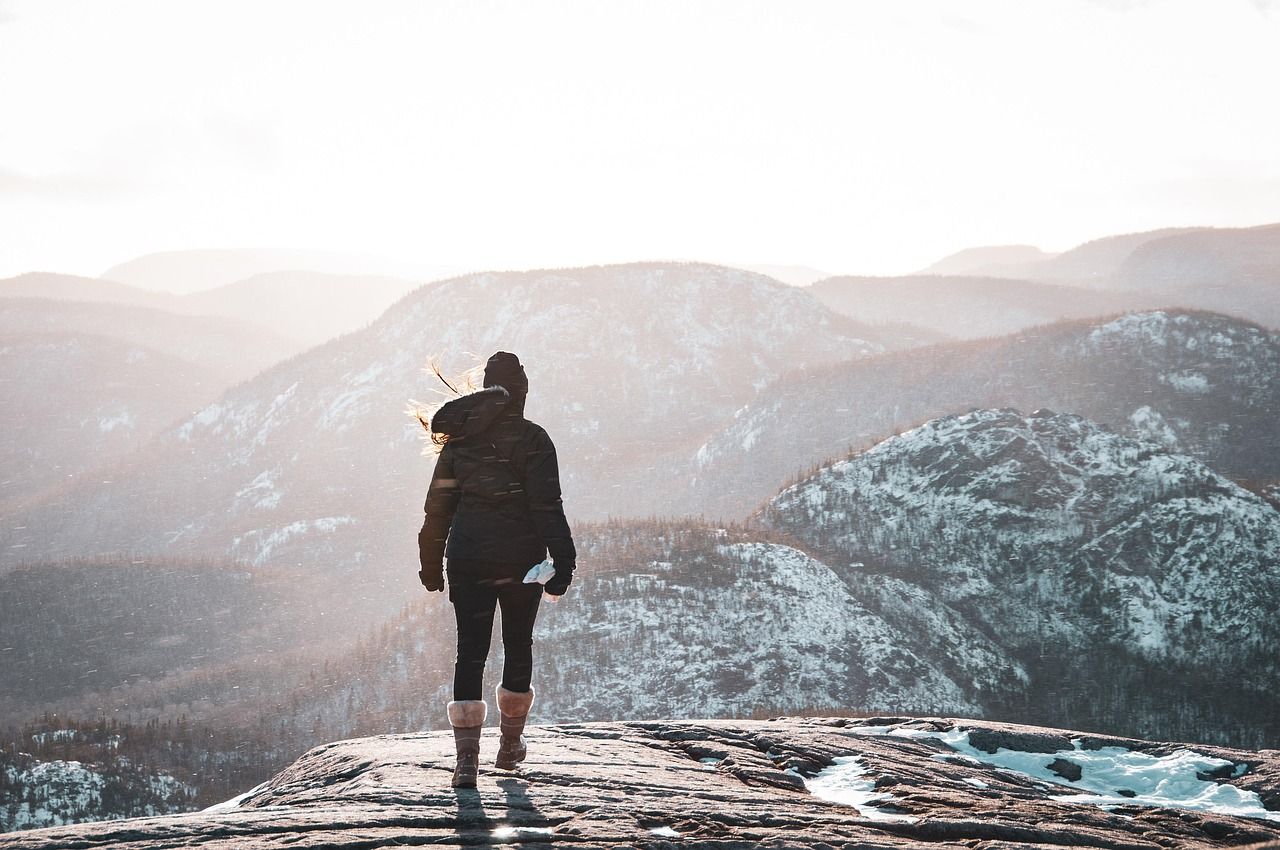
From the majestic snow-capped giants of the Himalayas to the lush, challenging trails of the Western Ghats and the ancient Sahyadris, India offers an unparalleled playground for adventurers and trekkers. Whether you're planning a serene stroll through the Valley of Flowers or a demanding expedition to a high-altitude pass like Hampta Pass, one piece of gear remains undeniably critical for your safety, comfort, and overall experience: your hiking boots.
Your hiking boots aren't just footwear; they are your foundation, your protection, and your silent partner on every step of your journey. They shield you from harsh terrain, provide essential grip on slippery slopes, and offer the crucial support needed to prevent injuries. But with an overwhelming array of options available, how do you pick the best hiking boots for trekking and adventure that are perfectly suited for the diverse and often unpredictable Indian trails?
This comprehensive guide is designed specifically for Indian trekkers, helping you navigate the world of hiking boots, understand what truly matters, and make an informed decision for your next great adventure.
Why Your Boots Are Your Best Friend on the Trail
Many first-time trekkers underestimate the importance of proper footwear, often opting for regular sports shoes. While tempting, this can quickly lead to discomfort, blisters, and even serious injury. Here’s why investing in quality hiking boots is non-negotiable:
-
Safety First
Uneven terrain, loose rocks, slippery mud, and unpredictable descents are common on Indian trails. Good hiking boots offer superior ankle support, especially high-cut models, significantly reducing the risk of sprains and twists. Their robust outsoles provide exceptional grip, preventing slips on treacherous paths, be it the wet rocks of the Konkan during monsoon or the scree slopes of Spiti.
-
Unmatched Comfort
Imagine hiking for hours, sometimes days, with ill-fitting or unsupportive shoes. Blisters, bruised toes, and aching feet can quickly turn a dream trek into a nightmare. Proper hiking boots are designed to cushion your feet, absorb shock, and provide a comfortable fit even over long distances and varied topography, allowing you to focus on the breathtaking views instead of your feet.
-
Enhanced Performance
With better grip and support, you expend less energy trying to maintain balance and avoid falls. This translates to more efficient trekking, allowing you to cover more ground with less fatigue. A good pair of boots helps you ascend steep inclines and descend challenging paths with confidence.
-
Protection from the Elements and Terrain
From sharp rocks, thorns, and roots to unexpected river crossings and leeches during the monsoon, trails present numerous hazards. Hiking boots offer a sturdy barrier, protecting your feet from external threats and keeping them dry and warm in varying weather conditions.
Decoding the Anatomy of a Great Hiking Boot
To choose the best boots, it’s essential to understand the key components and what to look for in each:
Upper Material: What’s on the Outside?
-
Full-Grain Leather: Highly durable, water-resistant, and offers excellent ankle support. It molds to your foot over time for a custom fit. Ideal for heavy-duty, long treks and carrying heavy loads. Requires a longer break-in period. Great for high-altitude Himalayan treks.
-
Split-Grain Leather: Lighter and more breathable than full-grain, often combined with nylon to reduce weight. Offers a quicker break-in but less water resistance and durability. Good for moderate multi-day treks.
-
Synthetics (Nylon, Polyester): Lightweight, breathable, and dry quickly. They require minimal break-in. Excellent for lighter day hikes or speed trekking, especially in warmer climates or monsoon if adequately waterproofed. Less durable than leather.
Waterproofing: Essential for Indian Trails
Given India’s monsoon season, numerous river crossings, and unpredictable mountain weather, waterproofing is crucial. Look for boots with waterproof membranes like Gore-Tex, eVent, or similar proprietary technologies. Imagine crossing a glacial stream in Uttarakhand or navigating a monsoon-soaked trail in the Sahyadris with soggy feet – not ideal! Waterproofing ensures your feet stay dry, preventing blisters and hypothermia.
Ankle Support: High-Cut, Mid-Cut, or Low-Cut?
-
High-Cut: Extends above the ankle, providing maximum support and stability. Best for heavy loads, rough terrain, and challenging multi-day treks (e.g., Stok Kangri approaches, or climbing technical sections in the Himalayas).
-
Mid-Cut: Covers the ankle, offering good support without the bulk of high-cut boots. A versatile choice for most backpacking and multi-day treks (e.g., Kedarkantha, Pin Bhaba Pass).
-
Low-Cut: Resembles sturdy running shoes. Offers minimal ankle support but maximum flexibility and lightness. Suitable for well-maintained paths and day hikes with light packs (e.g., short walks in Shimla or easy routes in the Valley of Flowers).
Midsole: Cushioning and Shock Absorption
The midsole provides cushioning and absorbs impact. Common materials are:
-
EVA (Ethylene Vinyl Acetate): Lighter, softer, and more cushioned. Commonly found in lightweight and mid-weight boots. Tends to compress over time.
-
PU (Polyurethane): Denser, firmer, and more durable. Offers better support for heavy loads and retains its shape longer. Used in heavy-duty and mountaineering boots.
Outsole/Tread: Your Grip on Reality
The outsole is the rubber part that makes contact with the ground, and its grip is paramount. Look for:
-
Lug Patterns: Deep, multi-directional lugs provide excellent traction on varied surfaces like mud, loose earth, and snow. Shallower, broader lugs are better for rocky terrain. Brands like Vibram are renowned for their quality outsoles, but focus on the design: self-cleaning patterns are a bonus, preventing mud buildup.
-
Rubber Compound: Softer compounds offer better grip but wear faster, while harder compounds are more durable but can be less grippy on wet surfaces. A good balance is key.
This is essential for scrambling on the granite outcrops of the Karnataka Western Ghats or navigating scree slopes in Ladakh.
Fit: The Golden Rule
A well-fitting boot is non-negotiable. Your boot should be snug but not tight, with enough room to wiggle your toes. Your heel should not slip excessively when going uphill, and your toes should not touch the front of the boot when going downhill.
Types of Boots for Indian Adventures
Indian trails are incredibly diverse. Matching your boot type to your adventure is crucial:
1. Lightweight Hiking Boots/Shoes
-
Best For: Day hikes, well-maintained paths, speed hiking, and light loads. Think short walks in the Valley of Flowers or easy trails in the Kumaon region.
-
Features: Often low-cut or mid-cut, flexible sole, breathable synthetic uppers, minimal break-in.
2. Mid-Weight Backpacking Boots
-
Best For: The workhorse for most Indian trekkers. Multi-day treks, moderate to heavy loads, varied terrain. Popular choices for treks like Hampta Pass, Kedarkantha, or longer traverses in the Western Ghats.
-
Features: Mid to high-cut for good ankle support, durable uppers (often leather or robust synthetics), stiffer midsole than lightweight boots, excellent waterproofing, and aggressive outsoles.
3. Heavy-Duty Mountaineering Boots
-
Best For: High-altitude expeditions, technical climbing, glacier travel, snow, and ice. When carrying very heavy loads or requiring crampon compatibility. For instance, advanced Himalayan expeditions or winter treks where deep snow is expected (though for extreme cold, specialized winter boots are needed).
-
Features: High-cut, stiffest sole for crampon attachment, robust full-grain leather or synthetic uppers, superior insulation, and maximum protection.
Choosing Your Perfect Pair: Practical Tips for Indian Trekkers
-
Know Your Terrain and Trekking Style
Are you planning on tackling rocky peaks in Maharashtra, muddy trails in Meghalaya, or glacial passes in Sikkim? Your typical trekking terrain and the duration of your treks will heavily influence your choice. A casual day trekker needs a different boot than someone planning a multi-week expedition.
-
Consider the Climate and Season
Monsoon treks (June-September) demand excellent waterproofing and grip for slippery, muddy conditions. Winter treks in the Himalayas require insulation and crampon compatibility. Summer treks might prioritize breathability over heavy insulation.
-
Try Them On – The Right Way!
-
Time of Day: Your feet swell throughout the day, so try boots on in the late afternoon or evening when your feet are at their largest.
-
Wear Your Trekking Socks: Bring the same type of socks you’ll wear on your treks. These are typically thicker than everyday socks.
-
Walk Around: Walk laps around the store. If possible, use an incline ramp to simulate uphill and downhill walking. Pay attention to heel lift (should be minimal) and toe room (toes shouldn't touch the front on a downhill slope).
-
Lace Them Properly: Ensure you lace them as you would on the trail, snug but not painfully tight.
-
-
Break Them In – No Shortcuts!
A common mistake Indian trekkers make is hitting the trail with brand new boots. This is a recipe for blisters and discomfort. Break in new boots by:
-
Wearing them around the house for short periods.
-
Taking them on short walks around your neighborhood or local park.
-
Gradually increasing the distance and difficulty of your walks.
-
Wear them during errands or while visiting friends.
Allow ample time for this process before your actual trek. Your feet and your boots need to get to know each other.
-
Caring for Your Trekking Companions
Proper care significantly extends the life of your boots:
-
Clean Regularly: After each trek, remove mud and debris using a soft brush and water. Clean the inside too, if needed.
-
Dry Properly: Air dry your boots naturally, away from direct heat (like campfires or heaters), which can damage materials. Remove insoles to speed up drying.
-
Condition Leather: For leather boots, use a suitable leather conditioner to keep the leather supple and prevent cracking.
-
Reapply Waterproofing: Over time, the DWR (Durable Water Repellent) coating on waterproof boots can wear off. Reapply a spray-on or wash-in treatment periodically.
Conclusion: Step Confidently into Your Next Indian Adventure
Choosing the right hiking boots is one of the most significant investments you'll make in your trekking journey. It's not just about a brand or a price tag; it's about finding the perfect blend of support, protection, comfort, and durability that matches your individual needs and the magnificent, diverse terrains of India.
Take your time, do your research, try on different pairs, and break them in thoroughly. With the right pair on your feet, every peak becomes achievable, every trail an open invitation, and every adventure a memorable story waiting to be told. Happy trekking!
How do I know if my hiking boots fit correctly?
A correct fit means your toes shouldn't touch the front of the boot when walking downhill, and your heel should have minimal lift when walking uphill. The boot should feel snug around your foot without any painful pressure points. Always try boots on at the end of the day when your feet are slightly swollen, and wear the specific trekking socks you intend to use.
Are waterproof hiking boots necessary for treks in India?
Highly recommended, especially given India's monsoon season, frequent stream crossings, and unpredictable mountain weather. Waterproof boots keep your feet dry, preventing blisters, discomfort, and even hypothermia in colder conditions. Even if you're not trekking during the monsoon, unexpected rain can occur in many regions, making waterproofing a valuable feature.
How often should I replace my hiking boots?
The lifespan of hiking boots varies greatly depending on usage frequency, terrain, and how well they are maintained. Look for signs of wear such as worn-out outsoles with diminished grip, loss of cushioning in the midsole, cracks or damage to the upper material, or compromised waterproofing. For regular trekkers, a pair might last anywhere from 300 to 800 miles of use, but listen to your feet and inspect your boots regularly.
Can I use regular sports shoes for hiking?
For very easy, flat, and well-maintained paths, regular sports shoes might suffice for short durations. However, for uneven terrain, long distances, or carrying a backpack, sports shoes are not recommended. They lack the necessary ankle support, robust grip, protection from sharp objects, and durability of dedicated hiking boots, significantly increasing the risk of injury and discomfort.
What's the best way to break in new hiking boots?
Start by wearing them for short periods around your house. Gradually increase the distance and difficulty by taking them on short walks around your neighborhood or local park. Wear the socks you'll use for trekking. This process helps the boots mold to your feet and softens the materials, preventing blisters and discomfort when you embark on a longer trek. Never use brand new boots on a major trek.