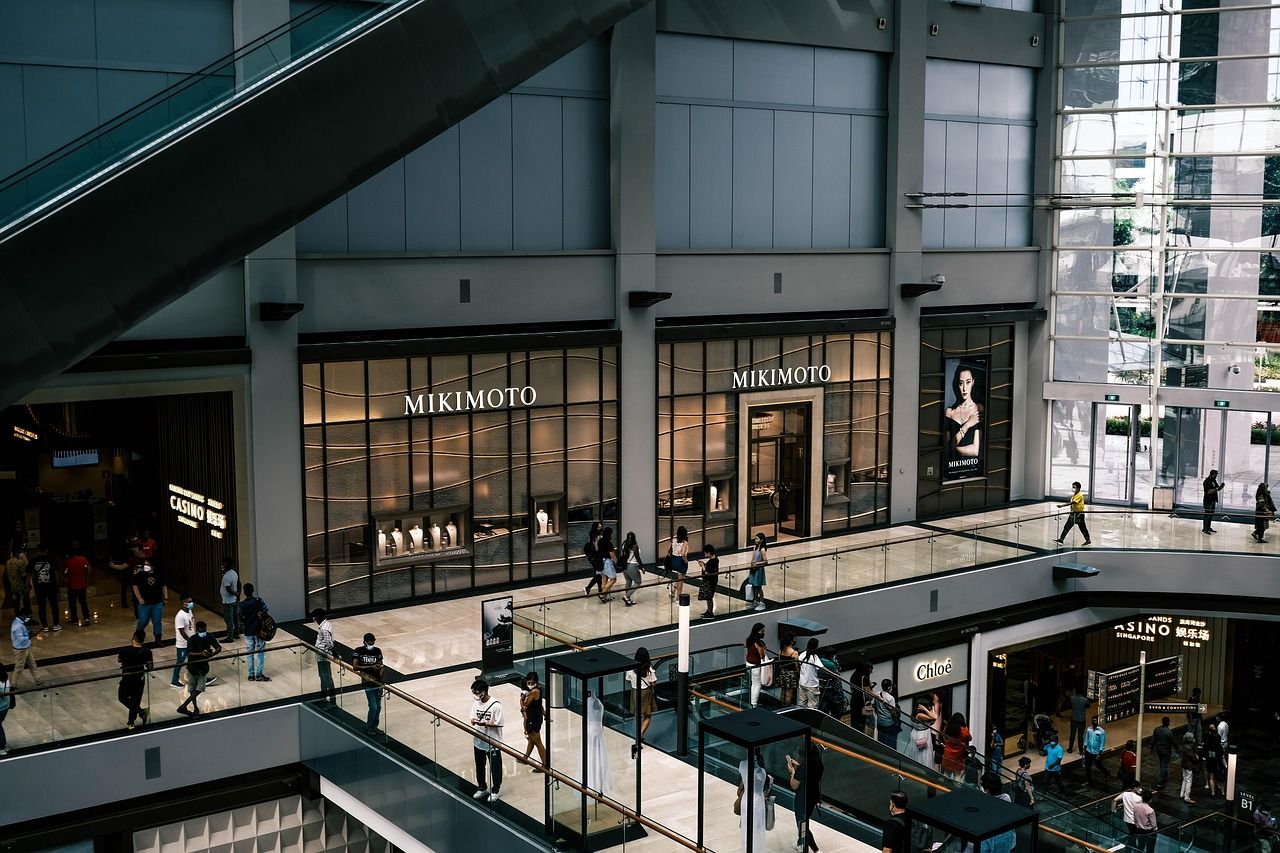
India's relationship with alcohol has always been complex, woven into a tapestry of tradition, social norms, economic realities, and public health concerns. Recently, the government introduced a significant policy shift that has sparked considerable discussion and debate across the nation. The decision to allow liquor outlets within the glitzy confines of shopping malls, while simultaneously imposing a 'de-addiction cess' on alcohol sales, marks a pivotal moment in how alcohol is regulated, accessed, and perceived in the country.
This isn't just about where you can buy your favourite spirits anymore; it's a multi-faceted move with far-reaching implications for consumers, businesses, and society at large. On one hand, it promises convenience, a more organised retail experience, and potential revenue boosts for state governments. On the other, the introduction of a de-addiction cess acknowledges the undeniable social and health costs associated with alcohol consumption, aiming to channel funds towards mitigation efforts. It's a delicate balancing act – modernising retail while attempting to address public health responsibilities.
So, what exactly does this new policy entail for the average Indian citizen? How will it change your weekend mall visits, and what does the de-addiction cess truly mean for the future of alcohol consumption and public health initiatives? Let's dive deep into understanding this dynamic shift.
A New Sip of Convenience: Why Liquor Outlets Are Coming to Your Favourite Mall
For years, purchasing alcohol in India often meant navigating standalone shops, sometimes tucked away in less-than-ideal locations. The new policy, allowing liquor outlets to set up shop in mainstream shopping malls, aims to transform this experience entirely.
The Rationale Behind the Move
Several factors are at play behind this strategic decision:
- Revenue Generation: Excise duty on alcohol is a significant source of revenue for state governments, crucial for funding public services and infrastructure. By expanding retail avenues and potentially increasing sales through a more appealing environment, states hope to boost their coffers.
- Modernisation of Retail: The government aims to bring alcohol retail into the 21st century. Moving sales into organised retail spaces like malls can lead to better regulated environments, improved hygiene, and a more sophisticated shopping experience for consumers, aligning with global trends.
- Consumer Convenience and Choice: Imagine finishing your grocery shopping and then picking up a bottle of wine, all under one roof. This convenience is a major driver. Malls offer better parking, security, and a wider array of options, potentially attracting a broader demographic.
- Curbing Illicit Sales: By providing legitimate, regulated, and easily accessible channels for alcohol purchase, the government hopes to reduce the prevalence of illicit liquor sales, which pose significant health risks due to unregulated production.
What This Means for Consumers
For you, the consumer, this policy brings several tangible changes:
- Improved Shopping Experience: Expect well-lit, air-conditioned stores with a wider selection of domestic and international brands. This could mean better product displays, knowledgeable staff, and a more pleasant purchasing environment compared to traditional outlets.
- Easier Access: While concerns about accessibility exist, for many, it means one less stop. Shopping malls are already hubs for entertainment and retail, making it simpler to combine various errands.
- Wider Variety: With better retail spaces, there's potential for stores to stock a more diverse range of products, catering to evolving tastes and preferences for craft beers, fine wines, and premium spirits.
- Perceived Safety: Shopping in a mall environment often comes with a greater sense of security and safety, which can be appealing to many, especially women.
Impact on Businesses and Retailers
This move also has a considerable impact on the business landscape:
- New Revenue Streams for Malls: Mall developers can lease out prime retail space to liquor brands, adding to their income and potentially increasing footfall for other tenants.
- Opportunity for Liquor Brands: Brands can create experiential stores, showcase their premium offerings, and directly engage with consumers in a high-footfall environment. This could lead to increased brand visibility and sales.
- Job Creation: The establishment of new outlets, especially in organised retail, will necessitate hiring staff for sales, management, and logistics, contributing to job creation.
- Shift in Competition: Traditional standalone shops might face increased competition from these new, more modern outlets, potentially driving consolidation or requiring them to upgrade their own offerings.
The Other Side of the Coin: Understanding the De-addiction Cess
The government's decision isn't purely about economic liberalisation; it's coupled with a significant social responsibility initiative – the de-addiction cess. This addition underscores a recognition of the potential downsides of increased alcohol accessibility and a proactive step to address them.
What is the De-addiction Cess?
A cess is a form of tax levied for a specific purpose. In this case, the de-addiction cess is an additional charge on the sale of alcoholic beverages, explicitly earmarked for funding initiatives related to alcohol de-addiction, rehabilitation, and awareness.
Why Was It Introduced?
The introduction of this cess is a direct acknowledgement of several key issues:
- Mitigating Social Costs: Increased alcohol consumption can lead to various social ills, including health issues, domestic problems, road accidents, and a strain on public health resources. The cess aims to create a financial mechanism to mitigate these costs.
- Public Health Responsibility: While generating revenue from alcohol, the government also bears the responsibility of public health. This cess allows for a dedicated fund to address alcohol dependency and promote healthier lifestyles.
- Funding De-addiction Programs: De-addiction centres, counselling services, and rehabilitation programs are vital but often underfunded. The cess provides a sustainable revenue source for these crucial services across states.
- Awareness and Prevention: A portion of the funds can be used for public awareness campaigns about responsible drinking, the dangers of alcohol abuse, and encouraging individuals to seek help.
How Will It Work? (India Context)
The operational specifics of the de-addiction cess will largely depend on individual state governments, as excise is a state subject:
- Collection Mechanism: The cess will be collected at the point of sale, added to the price of alcohol, and then remitted to the state exchequer.
- Fund Allocation: State health departments or social welfare boards will likely be responsible for managing and allocating these funds. Transparency in how these funds are utilised will be paramount to their effectiveness.
- Targeted Programs: Funds will be directed towards establishing new de-addiction centres, upgrading existing ones, training counsellors, running helpline services, and launching community outreach programs.
Potential Benefits and Challenges
The de-addiction cess holds immense potential, but also comes with its own set of challenges:
- Benefits: Increased funding for vital de-addiction services, better support for individuals and families struggling with alcohol dependency, greater public awareness, and potentially a reduction in stigma associated with seeking help.
- Challenges: Ensuring efficient and transparent utilisation of funds, preventing misuse or diversion, reaching remote and rural populations who might be most in need, and monitoring the actual impact of programs funded by the cess. Public awareness about available services funded by the cess will also be crucial for their success.
Navigating the New Norm: What to Expect and How it Impacts You
This dual policy creates a new landscape that requires careful navigation from all stakeholders – government, retailers, and citizens.
Regulatory Oversight and Implementation
Expect state governments to roll out detailed guidelines for these mall-based liquor outlets. These will include:
- Licensing and Age Verification: Strict processes for obtaining licenses and rigorous age verification protocols to prevent underage drinking.
- Operational Hours: Specific timings for opening and closing, which might differ from other retail outlets in the mall.
- Responsible Consumption Messaging: Outlets may be mandated to display messages promoting responsible drinking and provide information about de-addiction services.
The effectiveness of this policy will heavily rely on robust enforcement and monitoring by state authorities, ensuring that increased accessibility doesn't lead to unchecked consumption.
Social and Cultural Implications
The sight of liquor stores in family-friendly malls is likely to spark further discussions on the social and cultural aspects of alcohol in India. While some may view it as a sign of modernisation and normalisation, others might express concerns about:
- Increased Exposure: Children and younger individuals visiting malls will now have more direct exposure to alcohol retail.
- Changing Perceptions: It could contribute to a normalisation of alcohol consumption, shifting it from a niche activity to a more mainstream part of social life.
- Family Conversations: This might necessitate more open and informed conversations within families about alcohol, its effects, and responsible choices.
For the Concerned Citizen: How to Engage
As an informed citizen, your engagement is crucial:
- Stay Informed: Be aware of the specific rules and regulations implemented in your state regarding these new outlets.
- Support Responsible Initiatives: Advocate for and participate in initiatives that promote responsible alcohol consumption and support de-addiction efforts.
- Demand Transparency: Hold your local and state governments accountable for the effective and transparent utilisation of the de-addiction cess funds. Report any non-compliance with regulations.
Conclusion: A Policy of Balance and Responsibility
The government's decision to allow liquor outlets in shopping malls, coupled with the introduction of a de-addiction cess, represents a complex, multi-pronged approach to alcohol regulation in India. It's a move that seeks to balance economic benefits and modernisation of retail with a clear acknowledgement of public health responsibilities.
While the promise of convenience and an improved shopping experience is evident for consumers, the true measure of this policy's success will lie in the effective implementation of the de-addiction cess. Ensuring that these funds are transparently collected, judiciously allocated, and effectively utilised for rehabilitation and awareness programs will be paramount. This policy is not merely about where you buy your liquor; it's about shaping a more responsible and health-conscious approach to alcohol in a rapidly developing nation. It calls for continuous dialogue, vigilant oversight, and collective responsibility from all sections of society to navigate this new landscape successfully.
What is the main reason behind allowing liquor outlets in shopping malls?
The primary reasons include boosting state revenues through excise duties, modernizing the alcohol retail experience, offering greater convenience and variety to consumers, and potentially curbing illicit liquor sales by providing regulated access.
What is a 'de-addiction cess' and how will it be used?
A de-addiction cess is an additional tax levied on the sale of alcohol. The funds collected from this cess are specifically earmarked to finance de-addiction programs, establish and run rehabilitation centres, conduct public awareness campaigns about responsible drinking, and provide support services for individuals and families affected by alcohol dependency across the states.
Will alcohol be more expensive due to the de-addiction cess?
Yes, the de-addiction cess is an additional charge on the sale of alcohol, which will be added to the price. Therefore, consumers might find alcohol slightly more expensive than before, with the intent that this extra cost contributes to public health initiatives.
Are there any specific regulations for liquor outlets in malls?
While specifics will vary by state, generally, these outlets are expected to adhere to strict licensing, age verification protocols to prevent underage sales, and specific operational hours. They might also be required to display messages promoting responsible consumption and provide information on de-addiction services.
How can citizens ensure the de-addiction cess funds are used effectively?
Citizens can stay informed about their state's policies regarding the cess, demand transparency from local and state governments on how the funds are allocated and utilized, and advocate for strong oversight and accountability. Supporting NGOs working in de-addiction and participating in community awareness programs also contributes to the effective use of these funds.