Eid Mubarak! Top 10 Joyous Ways to Celebrate Eid with Meaning in India
Eid Mubarak! The very sound of these words brings a wave of joy, warmth, and anticipation, doesn't it? For millions across India, Eid isn't just a festival; it's a vibrant tapestry woven with threads of devotion, community, delicious food, and heartfelt traditions. Whether it's Eid al-Fitr, marking the end of the holy month of Ramadan, or Eid al-Adha, the festival of sacrifice, both occasions are celebrated with unparalleled fervor and unity across our diverse nation. In India, our rich cultural landscape adds a unique flavor to Eid celebrations, blending age-old Islamic customs with local traditions, creating a truly spectacular and inclusive festive period.
From the bustling, historic lanes of Old Delhi and the fragrant kitchens of Hyderabad to the serene backwaters of Kerala and the lively bazaars of Lucknow, the aroma of festive delicacies, the gleam of new clothes, and the sounds of laughter fill the air. But what truly makes Eid special here in India? It's the unique blend of spiritual reflection, unbreakable familial bonds, and the profound joy of giving back to the community. If you're looking to make your Eid celebrations truly memorable and meaningful this year, or perhaps curious about the essence of this beautiful festival that unites so many, you've come to the right place.
We've curated a 'Top 10' list that encapsulates the most cherished and joyous ways to celebrate Eid Mubarak in India, ensuring your festivities are imbued with deep meaning, time-honored tradition, and boundless happiness. Get ready to embrace the spirit of Eid like never before!
1. Embrace the Spirit of Prayer and Spiritual Reflection
At the very heart of every Eid celebration, be it Eid al-Fitr or Eid al-Adha, lies a profound sense of devotion, gratitude, and spiritual renewal. The day traditionally dawns with the congregational Eid prayer (Salat al-Eid) held at mosques or vast open grounds known as Eidgahs. In India, these gatherings are truly grand spectacles of unity and faith. Imagine thousands upon thousands of worshippers, dressed in their finest, newest attire, converging to offer thanks to Allah. The sight of this collective bowing in unison, their voices echoing in heartfelt prayers across the open air, is a deeply moving and unifying experience that transcends social strata and personal differences. It's a powerful reminder of shared faith and community spirit.
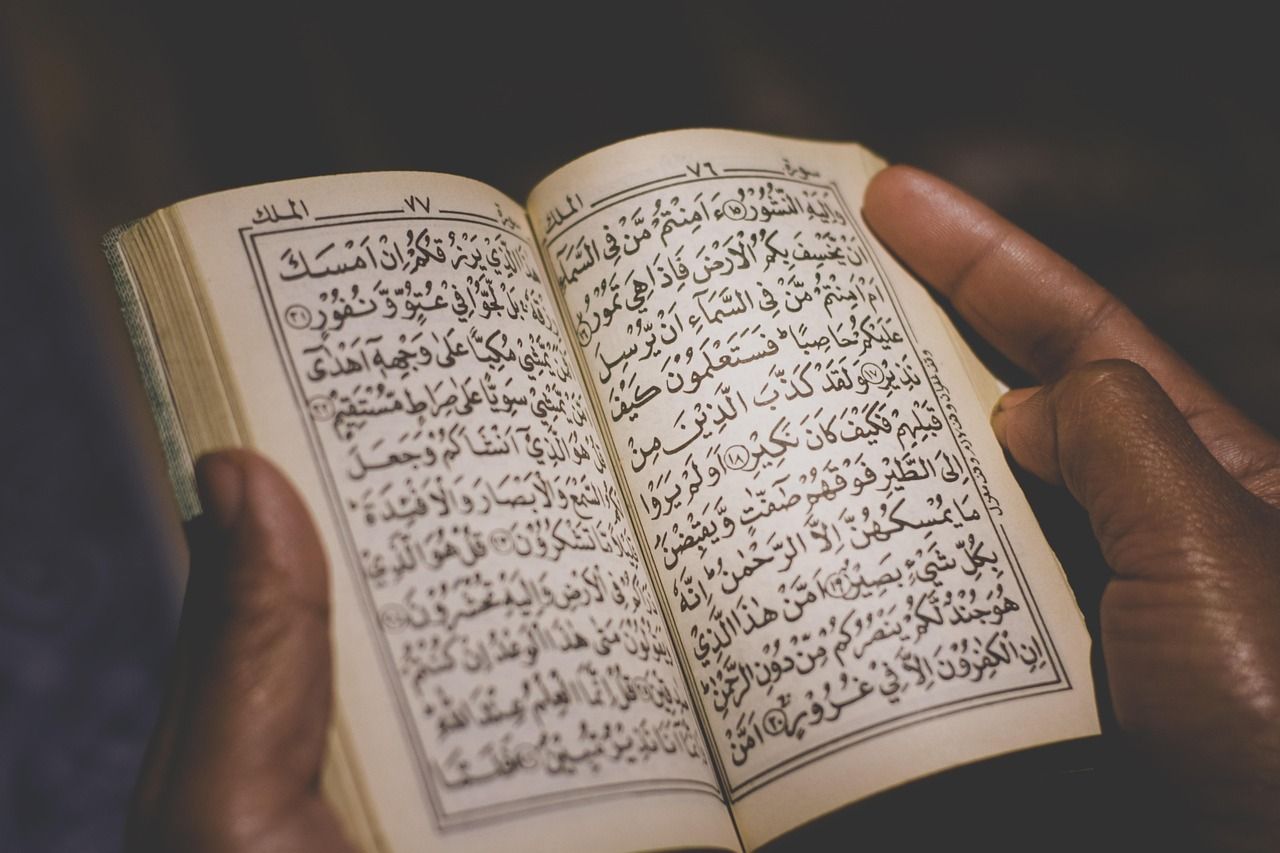
Beyond the communal prayer, Eid serves as an invaluable opportunity for personal reflection and introspection. Many individuals dedicate quiet moments after the bustling prayers to express sincere gratitude for the countless blessings bestowed upon them throughout the year, especially for the strength and discipline gained during Ramadan. It's a time to seek forgiveness for past transgressions, rectify any wrongs, and renew one's intentions for a more pious and purposeful future. Families often gather after returning home, not just for festivities, but also to share thoughts on their spiritual journeys, discuss passages from the Holy Quran, or simply reflect on the true meaning of sacrifice and devotion that Eid embodies. This spiritual grounding sets the tone for a joyous yet meaningful day.
In various parts of India, especially in towns with a rich Islamic heritage like Hyderabad, Lucknow, or Delhi, the atmosphere around the Eidgahs is electric but reverent. Before the prayers, the air is filled with chants of ‘Allahu Akbar’, creating an almost mystical aura. Post-prayer, the exchange of warm hugs and the heartfelt greeting of ‘Eid Mubarak’ among congregants, often strangers a moment before, exemplifies the spirit of brotherhood and communal harmony. It's a reminder that amidst all the festive cheer, the core essence of Eid remains a spiritual one, anchoring the celebrations in humility and devotion.
2. Indulge in Delicious Eid Feasts and Sweet Delights
What's Eid without an elaborate, mouth-watering feast? In India, Eid tables groan under the weight of traditional delicacies, a culinary celebration that is as diverse as the country itself. The day typically kicks off with something sweet, most famously Sheer Khurma – a rich vermicelli pudding cooked with milk, dates, nuts, and spices, symbolizing sweetness and new beginnings. This is a must-have in almost every Indian Muslim household.
As the day progresses, the main course takes center stage. From the fragrant Mutton Biryani of Hyderabad and Lucknow, with its perfectly cooked rice and tender meat, to the spicy Nihari of Old Delhi, and the aromatic Haleem that simmers for hours to perfection, the variety is astounding. Kebabs of all kinds – Galouti, Seekh, Shammi – sizzle on grills, accompanied by flaky parathas and rich curries. Each region boasts its own specialities, making Eid a true gastronomic journey across India. The preparation of these dishes often begins days in advance, involving the entire family in a joyous collective effort, sharing recipes passed down through generations.
It's not just about cooking and eating within the family; it's also about sharing. Neighbors, friends, and relatives often exchange plates of homemade delicacies, creating a beautiful network of communal sharing. Many families also prepare extra food to distribute to the less fortunate, ensuring that everyone gets to partake in the Eid feast. The air fills with the delightful aromas of spices and sweets, marking Eid as a true celebration of taste and togetherness.
3. Adorn Yourself in New and Traditional Attire (Eid ke Kapde)
A quintessential part of Eid celebrations in India is donning new clothes, often referred to as 'Eid ke Kapde'. Weeks, sometimes even months, leading up to Eid are spent shopping for the perfect outfits, or getting bespoke designs tailored. The excitement of wearing something new and festive on Eid morning is palpable, especially among children.
For women, this often means beautiful anarkalis, elegant salwar kameez sets, elaborate lehengas, or exquisite sarees, adorned with intricate embroidery, zari work, or delicate embellishments. Vibrant colors, rich fabrics like silk, georgette, and velvet, and traditional motifs are popular choices. Men typically opt for crisp new kurta-pajamas, often paired with elegant waistcoats (sherwanis), or sometimes even a traditional pathani suit. Children are dressed in their brightest and best, radiating pure joy in their festive attire. The act of wearing new clothes symbolizes renewal, purity, and the festive spirit of the occasion.
This tradition is more than just about fashion; it's a symbolic gesture of leaving behind the old and embracing the new, fresh beginnings. Families often coordinate their outfits, creating beautiful photo opportunities that become cherished memories. The sight of everyone dressed in their finest, gathering for prayers or visiting relatives, adds immensely to the visual splendor and festive ambiance of Eid across India, making it a truly 'dress-up' occasion for all.
4. Exchange Heartfelt Eid Greetings and Eidi
The greeting 'Eid Mubarak!' is the soundtrack of the festival, exchanged with warm hugs and beaming smiles. In India, this goes beyond just a verbal exchange; it's an expression of peace, goodwill, and blessings. After Eid prayers, people embrace each other three times, a tradition known as 'Gale Milna', symbolizing unity and brotherhood. This is a moment where old grudges are forgotten, and bonds are strengthened.
Another beloved tradition, especially for children, is receiving 'Eidi'. Eidi is a gift, usually money, given by elders to younger members of the family, as a token of love, blessings, and good fortune. The anticipation of Eidi adds an extra layer of excitement for children, who eagerly line up to greet their elders. It's not uncommon for adults to also exchange small gifts or sweets among themselves as a gesture of affection and remembrance, especially between close relatives and friends. This exchange reinforces familial ties and teaches the younger generation about respect and generosity.
The act of giving Eidi is steeped in cultural significance, fostering a sense of happiness and belonging. It's a way for elders to share their blessings and contribute to the joy of the younger generation, making them feel special and loved on this auspicious day. The sight of children carefully counting their collected Eidi is one of the most heartwarming moments of Eid.
5. The Joy of Visiting Friends and Family (Eid Milan)
In India, Eid is synonymous with 'Eid Milan' – a joyous tradition of visiting friends, relatives, and neighbors. After prayers and initial family greetings, homes open up to a steady stream of guests throughout the day, and sometimes even for days following. It's a time for reunions, catching up, and strengthening community bonds. Extended families travel across cities and states to be together, transforming homes into lively hubs of activity and chatter.
Guests are welcomed with open arms, offered sweets, savories, and refreshing beverages. Hospitality is paramount during Eid, with hosts going above and beyond to make everyone feel cherished. Children play together, adults engage in lively conversations, and the air is filled with laughter and camaraderie. This tradition ensures that no one celebrates alone and that the spirit of unity and togetherness truly thrives. It's a beautiful expression of community and the importance of relationships in Indian culture.
These visits are not merely social calls; they are an integral part of the Eid experience, fostering intergenerational connections and reinforcing the fabric of society. Many families also extend invitations to non-Muslim friends and neighbors, epitomizing India's inclusive spirit and shared cultural celebrations. The 'open house' tradition during Eid is a testament to the warmth and generosity embedded in our social customs.
6. Decorating Homes and Creating a Festive Ambiance
Just like any major Indian festival, homes get a festive makeover for Eid. Weeks before, thorough cleaning and sprucing up begin, leading to vibrant decorations on Eid day itself. Homes are adorned with colorful lights, fresh flowers, and festive hangings, creating a warm and inviting atmosphere for guests.
Many households put up fairy lights, similar to Diwali, illuminating their facades and interiors. Intricate rangoli patterns or floral designs might grace doorsteps, welcoming prosperity and good fortune. New curtains, tablecloths, and fresh upholstery contribute to the celebratory feel. The goal is to make the home look its best, reflecting the joy and auspiciousness of the occasion. This collective effort in decorating often involves all family members, from the youngest to the oldest, fostering a shared sense of excitement and anticipation.
The aroma of incense and freshly cooked food mingling in a beautifully decorated home creates an unforgettable sensory experience. This tradition not only beautifies the living space but also uplifts the spirits of the residents, signalling a time of happiness and celebration. A well-decorated home truly sets the stage for a memorable Eid, making every corner echo with the festive spirit.
7. Fulfilling the Obligation of Charity and Zakat al-Fitr
A fundamental pillar of Islam, and a crucial aspect of Eid celebrations, particularly Eid al-Fitr, is charity. Before the Eid prayers, Muslims are obligated to give Zakat al-Fitr, a compulsory charitable donation that ensures even the less fortunate can partake in the joy and feasting of Eid. This act of giving symbolizes purification and emphasizes compassion for those in need.
In India, this tradition is taken very seriously. Families often prepare extra food packets, distribute new clothes, or offer monetary aid to the poor and needy in their communities. Many actively seek out orphanages, old-age homes, or impoverished families to share their blessings, embodying the true spirit of generosity and social responsibility that Eid promotes. It’s a powerful reminder that while we celebrate our blessings, we must also remember those who are less privileged.
Beyond Zakat al-Fitr, many continue to give general charity (Sadaqa) throughout the Eid period. This focus on giving back not only brings immense spiritual reward but also strengthens community bonds, ensuring that the festive joy is shared more widely. It’s a beautiful practice that underscores the message of empathy and solidarity, making Eid a truly inclusive festival of humanity.
8. Attending Community Gatherings and Local Eid Melas
In many parts of India, especially in towns and cities with significant Muslim populations, Eid is often accompanied by community gatherings, cultural programs, and local 'Eid Melas' (fairs). These events are vibrant hubs of activity, bringing together people from all walks of life, often including those from other faiths, to celebrate together.
Eid Melas feature food stalls offering regional delicacies, games for children, traditional music, and sometimes even cultural performances. These events provide a wonderful opportunity for the community to come together, enjoy the festive atmosphere, and strengthen social ties. They are particularly popular in places like Hyderabad, Lucknow, and parts of Uttar Pradesh, where cultural traditions run deep. Families spend evenings at these melas, creating cherished memories and enjoying the collective spirit of the festival.
These community events play a vital role in fostering interfaith harmony and mutual understanding, as people from diverse backgrounds often participate. They showcase the rich tapestry of Indian culture, where festivals become a reason for everyone to unite and celebrate our shared humanity. The laughter, music, and vibrant energy of an Eid Mela are truly a sight to behold.
9. Capturing Memories and Cherishing Moments
In today's digital age, capturing memories has become an integral part of any celebration, and Eid is no exception. Dressed in new clothes, surrounded by family and friends, and amidst beautifully decorated homes, Eid offers countless opportunities for photographs and videos. From candid shots of children playing to formal family portraits, every moment is worth preserving.
Families often hire photographers or designate a family member to capture the day's events, ensuring that the joy and warmth of Eid can be revisited years later. Creating photo albums, sharing pictures on social media with 'Eid Mubarak' captions, and making short video clips are popular ways to document the festivities. These visual memories become precious keepsakes, reminding everyone of the bonds shared and the happiness experienced.
Beyond the camera, taking a moment to truly be present and cherish the simple moments – a shared laugh, a grandparent's blessing, the aroma of a special dish – is equally important. These internal memories, combined with photographic evidence, create a holistic tapestry of the Eid experience, making it unforgettable for generations to come. It’s about creating legacies of love and togetherness.
10. Reflection and Resolutions for the Future
While Eid is a day of joyous celebration, it also serves as an opportune moment for reflection and making resolutions. For those who observed Ramadan, Eid al-Fitr marks the culmination of a month of intense spiritual discipline. It’s a time to reflect on the lessons learned during fasting, the virtues cultivated, and the personal growth achieved. Similarly, Eid al-Adha encourages reflection on sacrifice and devotion.
Many use this day to ponder on how they can carry forward the spiritual momentum into their everyday lives, setting new goals for personal development, strengthening their faith, and improving their relationships with others. It's about striving to be a better person, a more compassionate community member, and a more devoted individual. Families often engage in discussions about these resolutions, supporting each other in their journeys of self-improvement.
This introspective aspect ensures that Eid is not just a fleeting holiday but a turning point for positive change. It encourages individuals to look beyond the immediate festivities and consider their spiritual and personal trajectories. By combining celebration with contemplation, Eid offers a holistic experience that nourishes both the soul and the spirit, making it a truly blessed and transformative occasion.
Eid Mubarak! A Celebration of Unity and Joy
Eid Mubarak isn't just a greeting; it's a feeling, an experience that transcends boundaries and brings people together. In India, where cultures intertwine so beautifully, Eid is a testament to our shared humanity, our love for tradition, and our unwavering spirit of community. From the solemn prayers to the boisterous family gatherings, from the fragrant biryanis to the sweet sheer khurmas, every aspect of Eid is imbued with love and meaning.
These 'Top 10' ways to celebrate are more than just a checklist; they are an invitation to immerse yourself fully in the rich, vibrant spirit of this blessed festival. May your Eid be filled with peace, prosperity, and the boundless joy of togetherness, surrounded by your loved ones and the warmth of community. Eid Mubarak to you and your family!
What is the significance of Eid al-Fitr in India?
Eid al-Fitr marks the end of Ramadan, the holy month of fasting. In India, it's a day of immense joy, gratitude, and community celebration, signifying spiritual cleansing and the beginning of a fresh start. It's characterized by congregational prayers, feasting, exchanging gifts, and visiting family and friends, bringing people closer after a month of devotion and self-discipline.
What traditional foods are popular during Eid celebrations in India?
Indian Eid feasts are legendary for their variety and richness! Popular dishes include fragrant Biryani (chicken, mutton, or vegetable), various types of Kebabs (such as Galouti, Seekh, Shammi), rich Haleem, and delectable desserts like Sheer Khurma (vermicelli pudding with milk, dates, and nuts), Sewaiyan, and a variety of traditional sweets like Barfi and Gulab Jamun. The specific dishes often vary by region, reflecting India's diverse culinary landscape.
What is Eidi and who typically receives it?
Eidi is a cherished traditional gift, usually money, given by elders to younger family members, especially children, during Eid. It's a gesture of love, blessing, and good wishes, adding an extra layer of excitement and happiness for the younger generation. Sometimes, adults also exchange small tokens or gifts as a symbol of affection and appreciation among close relatives.
How do Indian communities foster unity during Eid?
Eid in India is a powerful symbol of unity and communal harmony. People from different faiths often visit their Muslim friends and neighbors to extend greetings and partake in the festivities. Community kitchens, open houses, and shared meals are common, fostering a spirit of togetherness and mutual respect. The exchange of 'Eid Mubarak' transcends religious boundaries, strengthening social bonds and celebrating India's composite culture.
Is Eid only about feasting and celebrations?
While feasting and celebrations are major components, Eid holds profound spiritual significance. It's a time for devotion, gratitude, and charity (Zakat al-Fitr), ensuring that the less fortunate can also partake in the festivities. Many use the day for personal reflection, making resolutions, and strengthening their faith, ensuring the celebration is meaningful beyond just merriment.