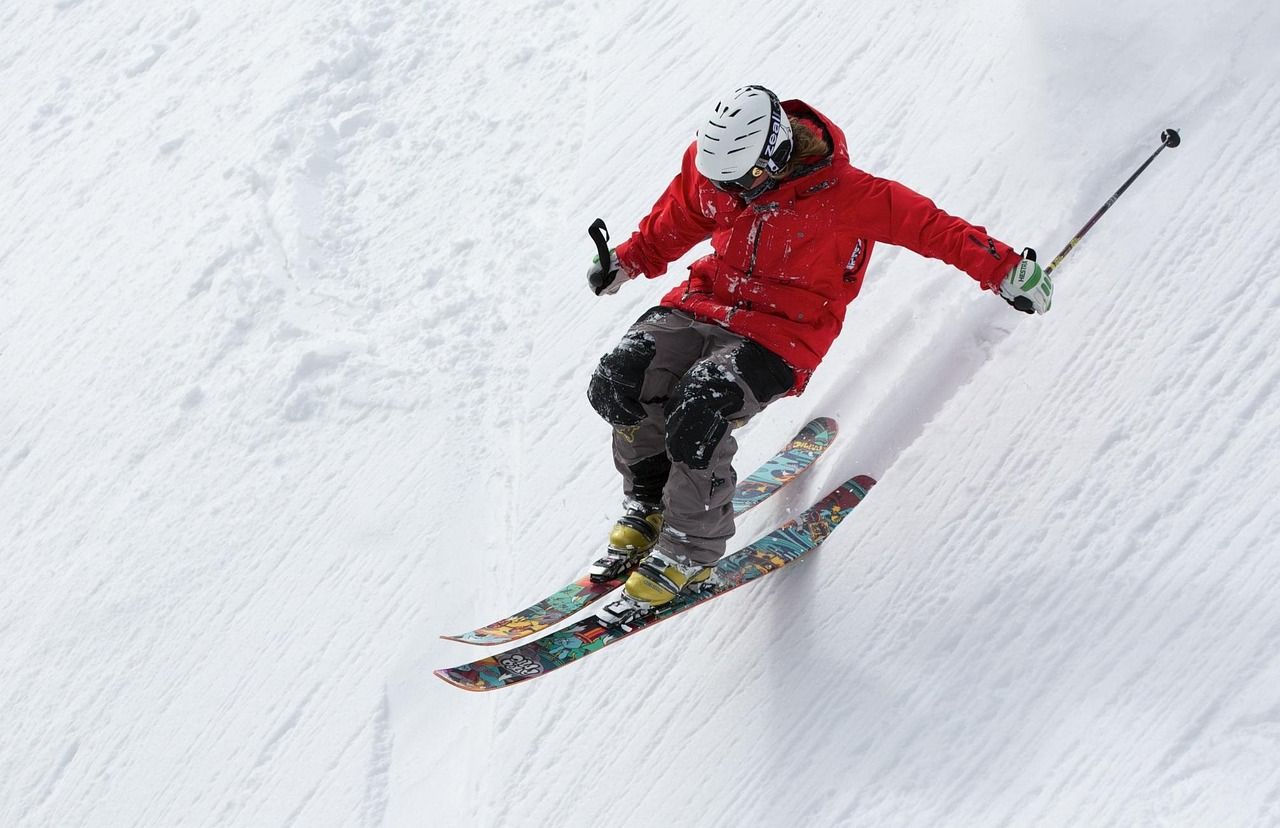
Embrace the Chill: Your Ultimate Guide to Beginner Winter Sports Gear for 2026!
Picture this: fresh snow crunching underfoot, crisp mountain air filling your lungs, and the thrill of gliding down a pristine slope in Gulmarg or Auli. India's winter sports scene is absolutely booming, and if you've been dreaming of exploring our majestic snow-covered peaks, 2026 is your year!
But let's be honest, stepping into the world of winter sports can feel a bit daunting. One of the biggest hurdles for beginners is often the gear – what do you need? What's essential? What's just nice to have? Don't worry, you're not alone! As your friendly guide, I'm here to demystify it all and ensure you have the best, safest, and most comfortable start to your snowy adventures. This comprehensive guide for 2026 will walk you through everything you need to know about beginner-friendly winter sports gear, with a special eye on what's practical and available right here in India.
Why Good Gear Is Your Best Friend (Not Just a Fashion Statement)
Before we dive into specific items, let's understand why investing a little thought into your gear is crucial. It's more than just looking the part – it's about safety, comfort, and ultimately, your enjoyment:
- Safety First: The right gear, like a helmet, protects you from potential injuries. Proper layering prevents hypothermia.
- Unmatched Comfort: Staying warm and dry is paramount. Chilled fingers or soaking wet clothes can quickly turn an exciting day into a miserable one. Good gear helps you focus on the fun, not the cold.
- Enhanced Performance & Learning: Gear that fits well and is designed for your activity will make learning easier and more enjoyable. It provides the necessary support and flexibility.
- Durability for Adventures: Quality gear can withstand the harsh conditions of snow and ice, ensuring it lasts for many winter seasons to come.
The Core of Winter Comfort: Mastering the Layering System
This is arguably the most important concept in winter sports gear. Instead of one thick garment, you wear multiple thinner layers that trap air (for insulation) and allow you to adjust to changing temperatures and activity levels. Think of it like a smart climate control system for your body!
1. The Base Layer (Your Second Skin)
This is the layer directly against your skin. Its primary job is to wick moisture (sweat) away from your body, keeping you dry and warm.
- What to look for: Synthetic materials (polyester, polypropylene) or merino wool are excellent choices. They dry quickly and retain warmth even when slightly damp.
- What to avoid: Cotton! It absorbs sweat and stays wet, making you feel cold very quickly.
- India Relevance: Brands like Decathlon offer excellent and affordable thermal base layers perfect for Indian beginners.
2. The Mid-Layer (The Warmth Provider)
This layer provides insulation, trapping body heat to keep you warm.
- What to look for: Fleece jackets, lightweight down or synthetic insulated jackets are ideal. You might even wear two thinner mid-layers on extremely cold days.
- India Relevance: Again, Decathlon is a great source. You can also find good quality fleece jackets from various outdoor brands online and in larger sports stores across India.
3. The Outer Layer (The Shield Against Elements)
This is your protective shell, guarding you against wind, snow, and rain.
- What to look for: A waterproof and windproof jacket and pants (often called ski jackets and ski pants). Look for features like sealed seams, durable water repellent (DWR) coating, and breathable membranes (like Gore-Tex, though pricier).
- Features to consider: Hood (helmet-compatible), powder skirt (to keep snow out), ventilation zippers (pit zips), plenty of pockets.
- India Relevance: When heading to places like Gulmarg or Auli, a reliable outer layer is non-negotiable. Look for jackets specifically labelled for skiing or snowboarding to ensure they meet the demands of Indian mountain conditions.
Essential Gear for Your Chosen Winter Adventure
While layering is universal, some specific gear depends on your chosen activity.
A. Skiing & Snowboarding Gear (The Thrill of the Slopes)
If you're planning to hit the slopes, here's your checklist:
- Helmet: Absolutely non-negotiable! Protect your head at all costs. Modern helmets are lightweight, comfortable, and often have adjustable vents.
- Goggles: Protect your eyes from UV rays, glare, wind, and snow. Look for anti-fog features and lenses suitable for varying light conditions.
- Skis/Snowboard & Bindings: For beginners, it's highly recommended to rent these initially. Rental shops at resorts like Gulmarg, Auli, or Solang Valley will provide suitable, forgiving equipment for learning.
- Boots: Ski boots and snowboard boots are crucial for control and comfort. Rental boots are fine for your first few tries, but if you get serious, custom-fitted boots are a game-changer. Ensure they fit snugly but aren't painful.
- Poles (Skiing): Used for balance and propulsion. Rental shops will provide these.
- Ski/Snowboard Jacket & Pants: Your outer layer, as discussed above. Waterproof, insulated, and breathable.
- Gloves/Mitts: Waterproof and insulated gloves or mitts are essential to keep your hands warm and dry. Mitts are generally warmer than gloves.
B. Snowshoeing & Winter Hiking Gear (Explore the Winter Wonderland)
If you prefer a more grounded exploration of snow-covered trails:
- Waterproof Hiking Boots: Insulated, waterproof boots with good ankle support are key. Ensure they are compatible with snowshoes.
- Snowshoes: These attach to your boots and distribute your weight, allowing you to walk on deep snow without sinking. Rental options are often available at popular hiking destinations in winter.
- Trekking Poles: Provide balance, stability, and help navigate uneven terrain.
- Gaiters: These are fabric coverings that go over your boots and lower pant legs, preventing snow from getting into your boots. A lifesaver in deep snow!
- Layered Clothing: Apply the base, mid, and outer layer system.
- Backpack: A comfortable daypack to carry water, snacks, extra layers, and safety gear.
C. Ice Skating Gear (Glide on Ice)
For those looking to enjoy the elegance of ice skating, whether indoors or on a frozen lake (ensure safety first on natural ice):
- Ice Skates: Rental skates are perfectly fine for beginners. You'll typically choose between figure skates (with a toe pick) or hockey skates (more rounded blade).
- Helmet: Highly recommended, especially for beginners who are prone to falls.
- Pads: Knee and elbow pads can save you from bruises and pain during falls.
- Warm, Flexible Clothing: Layers are still good, but ensure your outer layer isn't too bulky to allow for movement. Water-resistant pants are a plus for inevitable falls.
- Gloves: Protect your hands from the cold and from scrapes if you fall.
The Must-Have Accessories (Small but Mighty!)
These often-overlooked items can make a huge difference to your comfort and safety:
- Socks: Ditch the cotton! Invest in good quality wool (merino) or synthetic blend socks. They wick moisture, prevent blisters, and provide insulation. Carry an extra pair.
- Headwear: A warm beanie or a balaclava/neck gaiter protects your head and face from freezing winds.
- Sunscreen & Lip Balm: Even on cloudy days, UV rays are stronger at altitude and reflect off the snow. High SPF sunscreen and lip balm with SPF are crucial to prevent sunburn and chapped lips.
- Small Backpack: A lightweight backpack for essentials like water, snacks, a first-aid kit, and extra layers.
- Hand Warmers & Foot Warmers: Small, disposable sachets that provide instant warmth – a godsend on extremely cold days!
Buying vs. Renting: What's Best for Indian Beginners?
This is a big question for first-timers, especially in India.
- Renting: For your first few trips, especially for expensive items like skis, snowboards, boots, and helmets, renting is almost always the better option. It's cost-effective, allows you to try different types of gear, and avoids the hassle of transport and storage. Most major Indian winter sports resorts like Gulmarg, Auli, and Solang Valley have excellent rental facilities.
- Buying: Once you've tried a sport and are committed to pursuing it, then consider investing in your own gear. Start with personal items like base layers, socks, goggles, gloves, and a helmet. These are items that directly touch your skin and provide the most comfort/hygiene benefit. Then, slowly upgrade to your own boots, and finally, skis/snowboard.
Where to Find Your Gear in India (or Online)
Finding quality winter sports gear in India has become much easier:
- Decathlon: Your best friend for beginner gear! They offer a wide range of affordable and decent quality skiing, snowboarding, and winter hiking essentials, from base layers to jackets, pants, and even smaller accessories. You'll find stores in most major Indian cities.
- Online Retailers: Amazon India and Flipkart carry a good selection of winter wear and basic gear. Always read reviews carefully. For specialized items, look for international brands that ship to India or check out dedicated adventure sports websites.
- Local Sports Stores: Some larger sports stores in metropolitan areas might stock basic winter wear.
- Resort Rentals: As mentioned, for skis, snowboards, poles, and boots, the rental shops at resorts are your go-to. They will often include helmets and sometimes even jackets/pants in packages.
Smart Budgeting for Your Winter Adventure
Winter sports can seem expensive, but smart choices can help manage costs:
- Prioritize Safety: Always allocate budget for a good helmet and eye protection first.
- Invest in Layers: Good quality base and outer layers are worth the investment for comfort and warmth.
- Rent Big Ticket Items: Skis, snowboards, and boots are costly. Rent them until you're absolutely sure about your commitment.
- Look for Sales: Off-season sales can offer great discounts on winter wear.
- Don't Compromise on Warmth/Waterproofing: A cheap jacket that isn't waterproof or warm will ruin your trip faster than anything else.
Conclusion: Gear Up and Go!
Embarking on a winter sports journey in India is an exhilarating experience, and with the right gear, it becomes even more enjoyable and safe. Don't let the thought of 'what to wear' hold you back. Start with the basics: a solid layering system, a protective helmet, and proper eye protection. Rent the big-ticket items, and as you fall in love with the snow, you can gradually build your own collection.
The Himalayas and other snowy regions of India are calling! With this guide to the best winter sports gear for beginners in 2026, you're now well-equipped to answer that call. Get ready to create unforgettable memories on the pristine slopes and trails of our beautiful winter wonderland. Happy adventuring!
Is cotton clothing acceptable for winter sports?
No, cotton is generally not recommended for winter sports. Cotton absorbs moisture (sweat) and holds it against your skin, making you feel cold very quickly, which can be dangerous in chilly conditions. Always opt for moisture-wicking synthetic materials or merino wool for your base layers.
Should I rent or buy skis/snowboard for my first trip?
For your first few trips, it is highly recommended to rent skis or a snowboard, along with boots and poles. Renting is cost-effective, allows you to try out different equipment, and saves you the hassle of transportation and storage. Once you're sure you're committed to the sport, then consider investing in your own gear, starting with personal items like boots and a helmet.
Do I really need a helmet for skiing/snowboarding?
Yes, absolutely! A helmet is a non-negotiable piece of safety equipment for skiing and snowboarding, especially for beginners. It protects your head from serious injury in case of falls or collisions. Modern helmets are comfortable, lightweight, and often include features like adjustable vents and audio compatibility.
What are some good Indian winter sports destinations for beginners?
India offers several fantastic destinations for beginners. Gulmarg in Jammu & Kashmir and Auli in Uttarakhand are renowned for their stunning slopes and good infrastructure, including rental shops and instructors. Solang Valley near Manali in Himachal Pradesh is also a popular choice for beginners with gentle slopes and various winter activities.
How much should I expect to spend on beginner winter sports gear?
The cost can vary widely, but for a beginner prioritizing safety and basic comfort, you can budget around ₹10,000 - ₹25,000 for essential personal items like a good base layer set, mid-layer, waterproof outer jacket/pants, helmet, goggles, and gloves. Skis/snowboards and boots are best rented initially, which would be an additional daily/multi-day cost at the resort. Decathlon is an excellent place to find affordable yet reliable beginner gear in India.