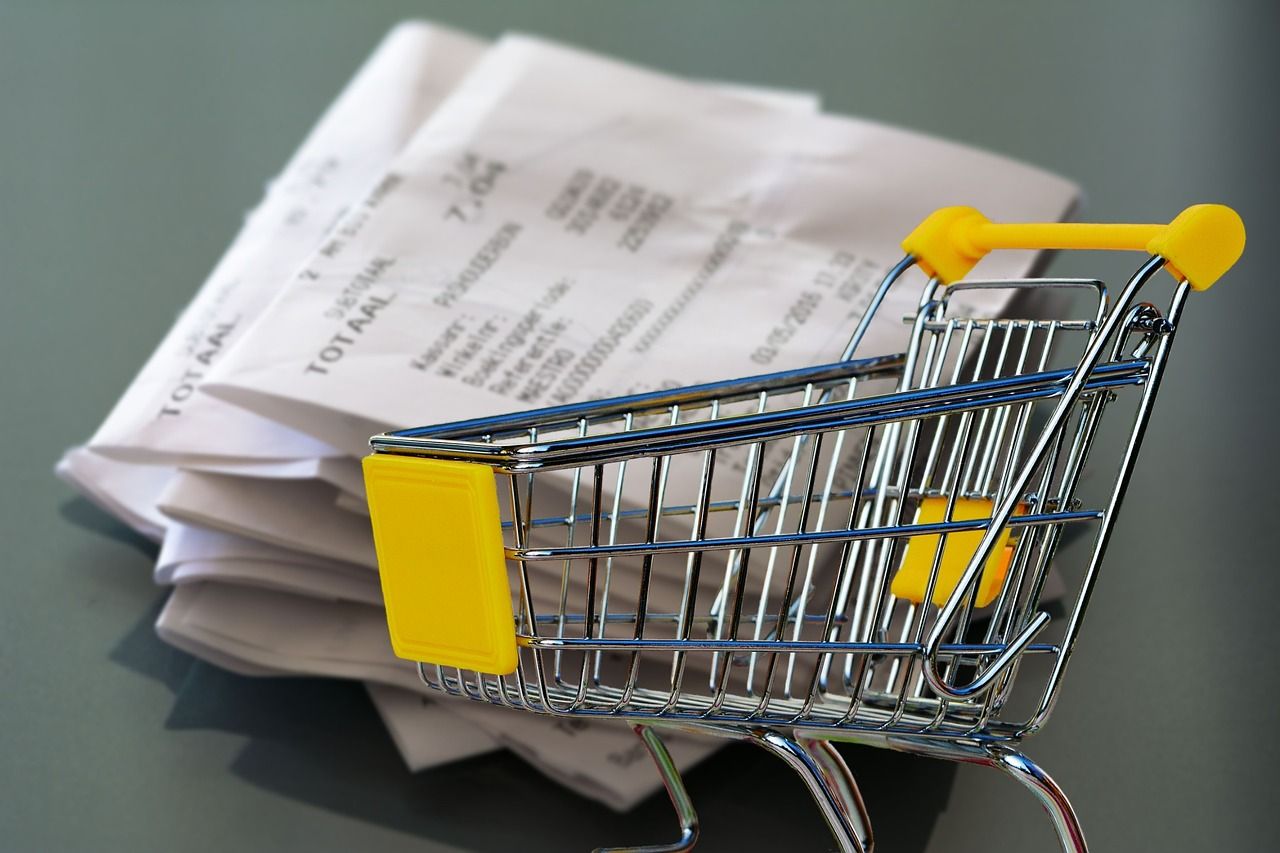
Imagine Your Grocery Bill Turning into a Lakh-Rupee Prize!
We've all been there: at the counter, paying for groceries, new clothes, or even a simple chai, and the shopkeeper hands us a bill. More often than not, that little slip of paper ends up crumpled in a pocket or tossed into the nearest bin. But what if every single bill you received – from your local kirana store to the biggest shopping mall – held the potential to win you a significant cash prize, perhaps even millions? What if demanding a bill wasn't just about consumer rights, but about a thrilling chance at a windfall?
This isn't a fantasy for the people of Taiwan. For over seven decades, since 1951, the Taiwanese government has turned ordinary shopping receipts into bona fide lottery tickets. 75 years later, this unique system is not just alive but thriving, deeply ingrained in the national consciousness. People diligently collect every single bill, not out of meticulous bookkeeping, but out of a hopeful anticipation that their next big win might just be hidden within a humble paper slip. As an Indian, the implications of such a system for our own economy, our consumers, and our fight against the informal sector are truly fascinating.
The Genesis of a Genius Idea: Why Taiwan Started It (and When)
The story of Taiwan's receipt lottery isn't just about gambling; it's a brilliant tale of ingenious governance born out of necessity. In the immediate aftermath of World War II, Taiwan was grappling with a rebuilding economy. A major challenge was rampant tax evasion. Many businesses operated informally, neglecting to issue receipts for transactions, thereby underreporting their income and avoiding tax payments. This created a significant dent in the national treasury, hindering crucial development.
The Ministry of Finance in Taiwan needed a solution – one that wasn't just about stricter enforcement but about fundamentally changing consumer and business behavior. In 1951, they unveiled the 'Uniform Invoice Lottery'. The premise was disarmingly simple yet profoundly effective: every legitimate business transaction was to be recorded on a special 'uniform invoice' receipt, each bearing a unique identification number. These numbers would then be entered into a bi-monthly national lottery. The brilliance lay in shifting the burden of enforcement from the government to the consumers themselves. By giving consumers a compelling reason to demand a receipt, businesses were compelled to issue them, thus bringing their sales into the tax net.
How the Magic Happens: Taiwan's Uniform Invoice Lottery Explained
So, how exactly does this fascinating system work? It's surprisingly straightforward:
- The Uniform Invoice: Every registered business in Taiwan is required to use specific, government-issued 'uniform invoices' for all sales. These aren't just any receipts; they have a standardized format and, most importantly, a unique serial number.
- Bi-Monthly Draws: The lottery draws happen every two months (on the 25th of odd-numbered months – January, March, May, July, September, November) for receipts issued in the preceding two months. For example, receipts from January and February would be drawn on March 25th.
- Prize Structure: The prizes range from modest sums (around NT$200, which is roughly ₹500) for matching the last three or four digits, all the way up to grand prizes of NT$10 million (over ₹2.5 crore) for matching the entire eight-digit number. There are multiple tiers of prizes, ensuring many winners and maintaining widespread engagement.
- Checking for Wins: Winners can check their receipts against the announced numbers via government websites, official apps, newspapers, and even convenience stores. Once a winning receipt is verified, the prize money can be collected from designated banks or post offices.
The system's simplicity, transparency, and the widespread availability of information make it accessible to everyone, fostering a national habit that transcends age and socio-economic status.
More Than Just Money: The Ripple Effects of a Simple Idea
While the primary goal of boosting tax revenue was undoubtedly met, the Uniform Invoice Lottery has had far-reaching positive impacts on Taiwanese society:
Significant Boost to Tax Revenue:
By incentivizing consumers to demand receipts, businesses were compelled to report their sales accurately, drastically reducing tax evasion and bringing vast sums into government coffers for public services and development.Enhanced Consumer Protection:
A receipt serves as proof of purchase, making returns, exchanges, and warranty claims much simpler and more transparent. Consumers are less likely to be exploited by unscrupulous vendors.Economic Transparency and Reduced Black Market:
The system discourages unregistered sales and reduces the scope for black market transactions, fostering a more formal and transparent economy.A Unique National Habit and Culture:
The act of collecting, sorting, and checking receipts has become a communal ritual. Families gather to check their stacks of bills, creating a shared sense of hope and occasional joy. It's not uncommon to see people meticulously organizing their receipts or even strangers helping each other check numbers.Deterrent to Unfair Practices:
Businesses are less likely to overcharge or sell substandard goods if every transaction is documented and demanded by consumers.
It's a virtuous cycle: a simple incentive creates a habit, which in turn leads to greater economic stability and consumer welfare.
75 Years On: Why This System Endures
In a world where many government initiatives fizzle out, what makes Taiwan's receipt lottery a shining exception, thriving for three-quarters of a century? The answer lies in a combination of smart design and human psychology:
- Intermittent Reinforcement: The irregular nature of wins (you don't win every time, but you might win sometimes) is a powerful psychological motivator, akin to slot machines. It keeps hope alive.
- Low Barrier to Entry: Participation requires no special forms, no registration, no extra effort beyond simply keeping the receipt you already receive. It's frictionless.
- Sense of Fairness and Participation: Everyone has an equal chance. It's a level playing field, fostering trust in the system.
- The Dream of a Big Win: While most wins are small, the possibility of a life-changing grand prize is a potent motivator that keeps millions engaged.
- Ingrained Social Habit: Over generations, it has become part of the social fabric. Children grow up seeing their parents collect receipts, and the habit is passed down.
It’s a testament to how a small, consistent incentive can create a lasting, positive impact on a nation's economic health and social behavior.
India Calling: Could a Receipt Lottery Work Here?
Now, let's bring this fascinating concept closer to home. India, with its colossal economy, vast population, and ongoing efforts to formalize its financial sector, stands at a unique crossroads. Could a 'Receipt Se Lakhpati' or 'Bill Banaye Crorepati' scheme find fertile ground here? The idea sparks immense possibilities.
The Indian Context: Challenges and Opportunities
- Massive Informal Economy: India still has a significant informal sector where cash transactions often go undocumented, leading to tax leakages and a shadow economy.
- GST Implementation: While GST has made strides, ensuring full compliance, especially among smaller vendors, remains a challenge.
- Digital India Push: The rapid adoption of UPI and other digital payment methods presents an opportunity to link digital transactions with a lottery system, moving beyond just physical receipts.
- Love for Lotteries: Indians are no strangers to lotteries, both formal (state lotteries) and informal. The thrill of a potential win resonates deeply.
Potential Benefits for India: A Game Changer?
Implementing a similar system in India could yield transformative results:
- Massive Boost to Tax Revenue: Imagine the exponential increase in GST collection and income tax as millions of businesses are compelled to record sales and issue bills. This revenue could fund critical infrastructure, healthcare, and education projects.
- Economic Transparency and Formalization: It would be a powerful tool in combating black money by bringing countless small and medium enterprises into the formal economy.
- Empowering Consumers: Indian consumers often hesitate to demand receipts, especially from smaller vendors. This scheme would turn every citizen into a vigilant tax auditor, ensuring they get a proper bill, which in turn protects them from overcharging and ensures quality assurance. Imagine demanding a bill for your morning dosa or your new jewellery, knowing it could win you a fortune!
- Catalyst for Digital Payments: If the lottery is linked to digital receipts or unique transaction IDs from UPI payments, it could further accelerate digital adoption, offering incentives beyond convenience.
- National Engagement and Excitement: It would create a shared national activity, fostering a sense of participation and excitement, turning an otherwise mundane act into a hopeful moment.
Challenges & Adaptations for India: Making it Work
Of course, India's scale and diversity present unique challenges. A direct copy-paste might not work, but intelligent adaptations could pave the way:
- Scale and Infrastructure: Managing hundreds of millions of transactions daily and running a robust, transparent lottery would require advanced digital infrastructure, perhaps integrating with existing platforms like GSTN and UPI.
- Awareness and Trust: Launching such a scheme would need a massive public awareness campaign in multiple languages, building trust in its fairness and accessibility, especially in rural areas.
- Informal Sector Integration: How to bring unregistered vendors, street hawkers, and very small businesses into the fold? Perhaps a simplified digital receipt system via mobile apps for micro-transactions.
- Digital vs. Physical Receipts: A hybrid model might be most effective. Physical receipts with QR codes for digital entry, or direct linking of UPI/card transactions to a lottery pool without needing a physical receipt.
- Prize Funding: The scheme would need initial funding, but the increased tax revenue generated would likely make it self-sustaining, perhaps even profitable for the government.
Beyond the Lottery: A Vision for Economic Empowerment
The Taiwanese receipt lottery is more than just a game of chance; it's a testament to the power of smart governance and behavioral economics. It demonstrates how a relatively simple, low-cost incentive can drive profound changes in consumer behavior and business compliance, leading to a stronger, more transparent economy.
For India, exploring such a model isn't just about the thrill of winning; it's about imagining a future where every transaction, no matter how small, contributes to the nation's formal economy. It's about empowering consumers to be active participants in financial transparency and creating a win-win situation where both citizens and the government benefit.
Conclusion
Taiwan's journey from an economic challenge in 1951 to a nation where every shopping bill is a potential lottery ticket offers invaluable insights. Its enduring success for 75 years highlights the power of ingenious design, consistent incentives, and understanding human psychology to drive positive national change. As India continues its quest for economic formalization and transparency, the 'Uniform Invoice Lottery' stands as a compelling case study. Perhaps it's time for us to look beyond the ordinary receipt and imagine a future where every bill truly is a boon, not just for the individual, but for the entire nation. The next time you get a bill, perhaps you'll look at it a little differently, pondering its hidden potential.
What is Taiwan's Uniform Invoice Lottery?
Taiwan's Uniform Invoice Lottery is a government-run scheme where every official shopping receipt (uniform invoice) carries a unique number. These numbers are entered into a bi-monthly lottery, giving consumers a chance to win cash prizes. It was introduced in 1951 to combat tax evasion by incentivizing consumers to demand receipts from businesses.
How has this system benefited Taiwan for over 75 years?
For over seven decades, the system has significantly boosted government tax revenue by ensuring businesses report their sales. It also enhances consumer protection by guaranteeing proof of purchase and fosters economic transparency. Culturally, it has instilled a nationwide habit of collecting receipts, making tax compliance a shared, exciting activity.
Could a similar receipt lottery system work in India?
While challenging due to India's vast scale and informal economy, a similar system could potentially bring immense benefits. It could significantly increase tax collection (GST), promote economic transparency, and empower Indian consumers to demand proper bills, combating black money and reducing unfair trade practices. Adaptations involving digital receipts, UPI integration, and a phased rollout would be crucial for success.
What are the main hurdles for implementing such a lottery in India?
Key challenges for India would include managing the sheer volume of transactions, integrating with diverse existing tax and digital payment infrastructures, ensuring widespread public awareness and trust, and bringing a significant portion of the informal sector into the fold. Designing an equitable prize fund and a secure drawing mechanism would also be vital considerations.
Has India ever considered a similar scheme or incentive for tax compliance?
Yes, the Indian government has explored various incentives for tax compliance, though not exactly a lottery linked to every bill like Taiwan's. Initiatives like the GST Lucky Draw in some states or cashback offers for digital payments have aimed at similar goals of formalizing transactions and encouraging tax adherence. However, a nationwide, regular lottery on every receipt would be a novel and potentially more impactful approach.