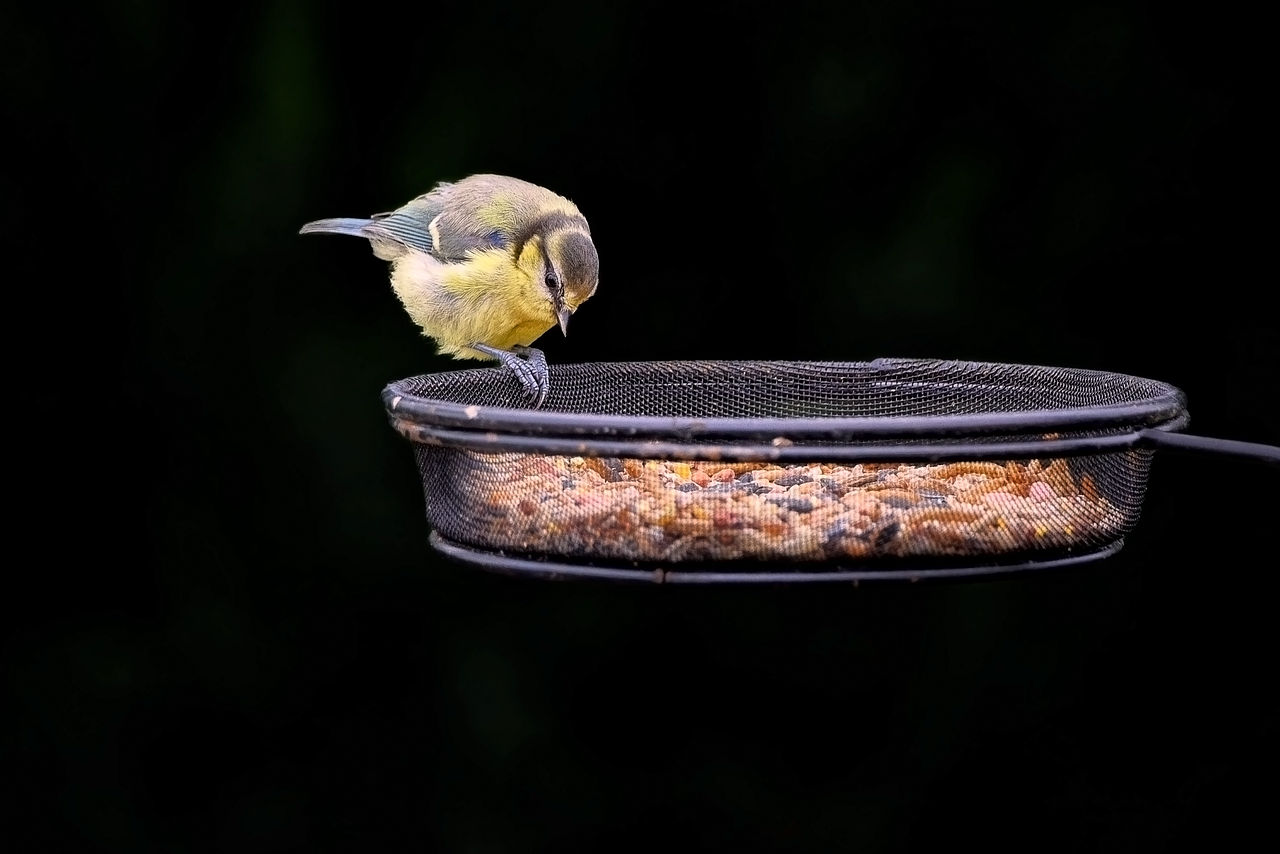
Welcome to the Wonderful World of Smart Bird Feeding!
Picture this: You’re sipping your morning chai, and suddenly, a vibrant Red-vented Bulbul lands gracefully on your bird feeder. In the past, you might have just admired it for a moment, perhaps tried to snap a quick, blurry photo. But what if you could not only see it clearly, but also get an instant notification on your phone, watch a high-definition video of its visit, and even have an app tell you exactly what species it is? Sounds like a dream, right? Well, with smart bird feeders, this dream is now a delightful reality!
As an avid bird watcher and someone who truly cherishes connecting with nature, I've seen firsthand how technology can bridge the gap between our busy lives and the serene beauty of the natural world. Especially here in India, where our urban landscapes are ever-expanding, finding those moments of connection with our feathered friends can be truly enriching. That's why smart bird feeders are becoming increasingly popular – they offer an intimate, high-tech window into the bustling lives of our backyard birds, right from the comfort of our homes.
But with so many options popping up, the question naturally arises: "Which is the best smart bird feeder?" And more importantly, which one makes sense for us here in India? Don't worry, I've done the groundwork for you. In this honest guide, I'll walk you through what to look for, share my top recommendations, and help you choose the perfect smart bird feeder to bring the wonders of Indian birdlife right to your fingertips.
What Exactly Is a Smart Bird Feeder?
Think of a smart bird feeder as a mini surveillance camera, but for birds, disguised as a food dispenser. It's essentially a traditional bird feeder upgraded with modern technology. Here's what makes it "smart":
- Integrated Camera: Most smart feeders come with an HD camera, often with wide-angle views, night vision, and motion detection.
- Wi-Fi Connectivity: It connects to your home Wi-Fi network, allowing it to send data and alerts to your smartphone.
- Smartphone App: A dedicated app lets you view live feeds, access recorded videos and photos, receive notifications, and manage settings.
- AI Bird Recognition: Many advanced models use artificial intelligence to automatically identify the bird species visiting your feeder. This is a game-changer for learning about local wildlife!
- Two-Way Audio (Optional): Some even allow you to speak through the feeder, though this is rarely used for birds.
It's like having a personal wildlife documentary playing in your backyard, accessible anytime, anywhere.
Why Consider a Smart Bird Feeder, Especially in India?
India boasts an incredible diversity of bird species, from the common House Sparrow and Indian Mynah to vibrant Parakeets, cheerful Bulbuls, and delicate Sunbirds. A smart bird feeder offers unique advantages for Indian bird enthusiasts:
Discover Your Local Avian Riches:
Even in crowded cities, you'd be surprised by the variety of birds that visit. A smart feeder helps you identify and appreciate them up close.
Convenience and Accessibility:
Not everyone has the time or ability to sit quietly for hours observing. A smart feeder captures those fleeting moments for you, allowing you to enjoy them at your leisure.
Educational Tool:
It's fantastic for children and adults alike to learn about different bird species, their feeding habits, and local ecosystems without disturbing them.
Record and Share Precious Moments:
Capture stunning photos and videos of rare or simply beautiful bird visits to share with family, friends, or even online birding communities.
Peace of Mind:
For those living in apartments or with limited outdoor access, it's a wonderful way to bring a piece of nature indoors.
Key Features to Look For in a Smart Bird Feeder
Before diving into specific recommendations, let's understand what makes a smart bird feeder truly great. These are the critical aspects to consider, especially with our unique Indian climate and conditions:
1. Camera Quality and Features
- Resolution: Look for at least 1080p HD for clear images and videos. Some offer 2K or even 4K.
- Night Vision: Essential for capturing nocturnal visitors or early morning/late evening activity.
- Wide-Angle Lens: Helps capture more of the surrounding area, increasing your chances of spotting birds.
- Motion Detection: How sensitive is it? Can it differentiate between a bird and a falling leaf?
2. Battery Life and Power Source
- Rechargeable Battery: Most units come with one. How long does it last on a single charge?
- Solar Panel Option: A built-in or add-on solar panel is a huge advantage, especially in sunny India, as it offers continuous power and reduces maintenance.
- Wired Power: Less common, but ensures constant power if you have an outdoor outlet.
3. Connectivity and App Functionality
- Wi-Fi Strength: Ensure it has a strong Wi-Fi antenna, as it might be placed away from your router.
- User-Friendly App: Is the app intuitive? Does it offer live streaming, easy access to recordings, and push notifications?
- AI Bird Identification: This is the star feature for many! Check its accuracy and how many species it can identify. While some are global, look for good coverage of common Indian birds.
- Sharing Options: Can you easily download and share clips/photos?
4. Storage Options
- Cloud Storage: Most offer a subscription service for cloud storage of videos. Check the pricing and duration.
- Local SD Card Slot: A great alternative or backup, especially if you prefer not to pay for subscriptions.
5. Durability and Weatherproofing
- IP Rating: Look for IP65 or higher, indicating it's dust-tight and protected against water jets – crucial for handling Indian monsoons and dust.
- Build Quality: Sturdy materials that can withstand heat, direct sunlight, and potential monkey mischief!
6. Ease of Cleaning and Refilling
- Bird feeders, smart or not, need regular cleaning to prevent mold and bacterial growth. Choose one that's easy to disassemble and wash.
- Simple refilling mechanism is also important for convenience.
7. Price and Value for Money
- Smart feeders range widely in price. Consider your budget and the features you absolutely need versus those that are nice-to-haves. Remember to factor in potential subscription costs for cloud storage or advanced AI features.
My Honest Recommendations for the Best Smart Bird Feeder
While specific brands might vary in availability and pricing in the Indian market, I can recommend types of feeders based on features that are highly sought after. When you're ready to buy, look for products that match these descriptions on major Indian e-commerce sites like Amazon.in, Flipkart, or even dedicated wildlife product stores.
1. The Feature-Rich All-Rounder: For the Enthusiast
- What to Look For: This category includes feeders that offer the most comprehensive experience. Think top-tier camera quality (2K/4K), highly accurate AI bird identification, a robust and intuitive app with excellent sharing features, and often an integrated or optional solar panel. They usually have a large capacity for birdseed and are built with premium, weather-resistant materials.
- Pros: Unmatched viewing experience, highly educational, low maintenance (especially with solar power), great for capturing professional-grade content.
- Cons: Definitely on the higher end of the price spectrum. Cloud storage subscriptions might be mandatory for full functionality.
- Best For: Serious birdwatchers, those who want the best technology has to offer, and anyone willing to invest for a premium experience. Look for models boasting "flagship" features and high user ratings.
2. The Balanced Mid-Range: Great Value for Most
- What to Look For: This is often the sweet spot for many. These feeders typically offer 1080p HD cameras, decent AI recognition (perhaps not as extensive as the premium models but still very helpful), a reliable app, and often come with a good rechargeable battery, with some offering an external solar panel as an add-on. Build quality is solid, capable of handling typical Indian weather.
- Pros: Excellent balance of features and price. Provides a very satisfying smart bird feeding experience without breaking the bank. Generally good battery life.
- Cons: AI might be slightly less refined than high-end models; some advanced features might be missing.
- Best For: First-time smart feeder buyers, those looking for great value, and anyone who wants a solid, dependable performer without all the bells and whistles of the most expensive models. These are often the most readily available options.
3. The Budget-Friendly Entry: A Great Starting Point
- What to Look For: These feeders focus on providing the core smart feeder experience at an accessible price point. Expect a 1080p camera, basic motion detection, and a functional app for live viewing and notifications. They might rely more on an SD card for local storage rather than extensive cloud options, and solar panels are usually separate purchases, if available.
- Pros: Affordable way to get into smart bird feeding. Still offers the joy of close-up bird views and notifications.
- Cons: Camera quality might be less sharp, AI identification might be basic or absent, and battery life could be shorter. Build materials might be less robust.
- Best For: Beginners, those on a tight budget, or anyone unsure if they want to commit to a more expensive unit. It's a fantastic way to test the waters of smart bird watching.
A Note on Availability in India: While global brands like Bird Buddy or Netvue Birdfy are popular, their direct availability and warranty support can sometimes be a challenge in India. Always check reviews specifically from Indian buyers on platforms like Amazon.in. Look for sellers offering local warranty and customer support. Generic brands on these platforms often rebrand similar hardware, so focus on the features and user reviews rather than just brand names.
Setting Up Your Smart Bird Feeder in India
Once you’ve chosen your feeder, here are a few India-specific tips for setting it up:
Strategic Location:
Place your feeder in a spot visible from your home, but also safe from predators like cats. Ensure it's within good Wi-Fi range. A spot that gets direct sunlight for a few hours is ideal if you have a solar panel.
Bird-Friendly Food:
Fill it with birdseed mixes suitable for local Indian birds. Millet, sunflower seeds, cracked corn, and small pieces of fruit are generally good choices. Avoid processed human food, salted nuts, or sugary items. Change the food regularly to keep it fresh.
Water Source:
Birds need water too! Consider placing a shallow water bath nearby, especially during hot Indian summers. Clean it daily.
Regular Maintenance:
Clean your feeder frequently (at least once a week, more often in humid conditions) to prevent the spread of diseases among birds and maintain hygiene. Remove old or moldy seeds.
Conclusion: Embrace the Joy of Smart Bird Watching
Choosing the "best" smart bird feeder ultimately comes down to your personal needs, budget, and how you envision your bird-watching journey. Whether you opt for a top-of-the-line model with advanced AI or a simpler, budget-friendly option, the core joy remains the same: connecting with the fascinating avian world around us.
These devices are more than just gadgets; they are gateways to education, relaxation, and a deeper appreciation for nature's wonders. So, go ahead, pick the smart bird feeder that calls to you, set it up, and prepare to be amazed by the colourful, lively visitors that will soon grace your screen. Happy bird watching!
Are smart bird feeders worth the investment?
For many bird enthusiasts, absolutely! They offer a unique way to observe birds up close, identify species, and capture beautiful moments you might otherwise miss. The educational and entertainment value can be very high, especially for families and those with limited outdoor access.
What kind of internet connection do I need for a smart bird feeder?
Most smart bird feeders require a stable 2.4GHz Wi-Fi connection. Ensure the placement of your feeder is within a strong Wi-Fi signal range from your home router for optimal performance, live streaming, and timely notifications.
Do smart bird feeders scare birds away?
Generally, no. Birds quickly habituate to new objects in their environment, including feeders with cameras. The cameras are typically small and unobtrusive. However, it's always best to introduce new feeders gradually and ensure they are placed in a safe, quiet spot where birds feel comfortable.
How often do I need to clean a smart bird feeder?
For the health of visiting birds and the longevity of your feeder, cleaning at least once a week is highly recommended. In hot or humid Indian weather, or if you notice mold or a build-up of old seed, you might need to clean it more frequently. Use warm water and mild soap, ensuring it's thoroughly rinsed and dried.
Can these feeders accurately identify all Indian birds?
The accuracy of AI bird identification varies by model and software. While most feeders are trained on a global database and can identify many common species, very specific or rare Indian birds might not always be recognized. However, the technology is constantly improving, and many popular Indian species are generally covered by advanced AI features.